 ultimate-guide
Moisture Retention Tips for Natural Hair: 2026 Guide
Table of Contents
- Why Natural Hair Loses Moisture (And What Actually Helps)
- How to Determine Hair Porosity Before Buying Anything
- Water-Based Moisturizers: The Foundation of Moisture Retention
- LCO vs LOC Method for Natural Hair: Which Order Works Best
- Deep Conditioning Routine for Natural Hair That Restores Moisture
- Protective Styles for Moisture Retention: Sealing in Hydration
- Nighttime Routine and Troubleshooting Dry Hair
- Conclusion
- Frequently Asked Questions
Last Updated: September 28, 2026
Why Natural Hair Loses Moisture (And What Actually Helps)
Moisture retention tips for natural hair start with one uncomfortable truth: coily hair loses water faster than almost any other texture, and most product routines never address why. This guide from Hair Naturally Beauty Supply breaks down the actual mechanics, then gives you a routine you can run this week.
The Cuticle Layer and Your Moisture Barrier
The cuticle is the outer shell of each strand, made of overlapping scales that lift and close. When the scales lie flat, water stays in. When they stay raised, water evaporates out and humidity rushes in.
Environmental Stressors That Dry Out Coily Hair
Dry indoor air pulls water from hair the same way it pulls from skin. Cold weather, low-humidity heating, and constant friction against cotton pillowcases all accelerate water loss.
How to Determine Hair Porosity Before Buying Anything
Porosity is how easily your hair absorbs and retains water, and it determines which products will work. Low porosity hair resists water. High porosity hair soaks it up and loses it just as fast. Normal porosity sits in between.
The Water Test and What It Really Tells You
The water test is simple: drop a clean strand of shed hair into a glass of room-temperature water and watch for two to four minutes.
- Floats on top: low porosity, cuticle tightly closed
- Sinks slowly: normal porosity
- Sinks fast: high porosity, cuticle raised
| Porosity | How It Behaves | What It Needs |
|---|---|---|
| Low | Water beads up, products sit on top | Light layers, heat when deep conditioning |
| Normal | Absorbs and holds water evenly | Balanced water-based products |
| High | Absorbs fast, dries fast | Protein, heavier sealants, gentle handling |
Water-Based Moisturizers: The Foundation of Moisture Retention
Water is the only true moisturizer. Oils and butters do not add moisture; they slow down its escape. Any product that lists oil as its first ingredient is a sealant, not a moisturizer.
Humectants, Emollients, and Occlusives: What Each One Does
These three categories do different jobs, and a working routine uses all three in the right order.
- Humectants attract water into the strand. Look for glycerin, honey, and aloe vera.
- Emollients soften the strand and smooth the cuticle. Look for jojoba oil, avocado oil, and shea butter.
- Occlusives sit on the surface and block water from escaping. Look for castor oil and heavier butters.
LCO vs LOC Method for Natural Hair: Which Order Works Best
The LCO versus LOC method for natural hair comes down to one variable: porosity. LCO means liquid, cream, oil. LOC means liquid, oil, cream.
Deep Conditioning Routine for Natural Hair That Restores Moisture
Deep conditioning is a scheduled treatment, not an emergency fix. Once a week is right for most type 4 hair; every two weeks works if your hair is low porosity and prone to buildup.

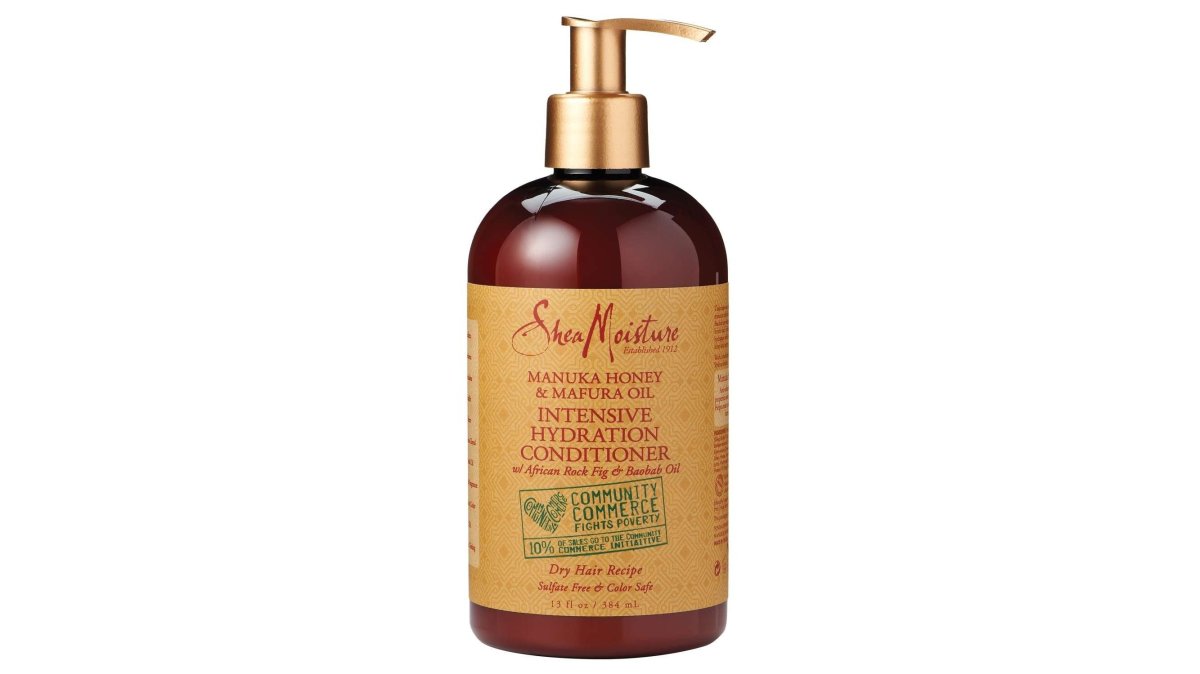
Here's the routine that actually moves the needle:

- Wash with a sulfate-free cleanser, or co-wash if your scalp isn't oily
- Apply deep conditioner to damp, sectioned hair, working from ends upward
- Cover with a plastic cap and sit under heat for 15 to 20 minutes
- Rinse with cool water to help close the cuticle
- Follow immediately with your leave-in and sealant while hair is still damp
Protective Styles for Moisture Retention: Sealing in Hydration
Protective styles for moisture retention work by removing the daily friction that strips water from your ends. Braids, twists, and wigs all reduce manipulation, and less manipulation means less breakage. But the style itself doesn't retain moisture, the prep and maintenance around it do.
Pre-Installation Prep
The catch: a protective style installed on dry hair locks that dryness in for weeks. Before you install:
Ors Olive Oil Moisturizing Hair Lotion →
- Clarify and deep condition. A clean scalp and hydrated strands are the foundation. Skipping this step is the most common reason protective styles fail.
- Apply leave-in and sealant in layers. Use the LCO or LOC method that matches your porosity, then let hair dry completely before styling.
- Detangle thoroughly. Any knot left in place will tighten over weeks and cause breakage at takedown.
- Avoid tension at the roots. Braids and twists should be snug, not tight. If your scalp hurts, the style is too tight and will cause traction damage.
Maintenance While Wearing the Style
- Keep the scalp clean. Dilute a gentle cleanser in a spray bottle and apply to the scalp weekly, then blot dry. A dirty scalp under a protective style leads to itching, flaking, and inflammation.
- Moisturize the exposed hair. If your ends are out, seal them every few days. If they're tucked, focus on the scalp and hairline.
- Sleep protected. A satin bonnet or pillowcase matters even more when hair is sectioned, friction against cotton can fray the parts and cause frizz.
- Limit wear time. Most practitioners recommend keeping a protective style in for four to eight weeks, depending on how fast your hair grows and how well the scalp tolerates it.
Takedown Without Breakage
Takedown is where most length retention is lost. Rushing it causes tangles and snapped strands.
- Work in sections. Take down one braid or twist at a time, not the whole head at once.
- Use conditioner as a slip agent. Apply a cheap, slippery conditioner to each section before unraveling to reduce friction.
- Detangle with fingers first. A wide-tooth comb comes after, never before.
- Expect some shedding. It's normal to lose more hair at takedown than on a typical wash day, that's the accumulated shed hair that couldn't fall out while styled.
Nighttime Routine and Troubleshooting Dry Hair
Nighttime is when most moisture loss happens, and it's the easiest part of the routine to fix. Cotton pillowcases wick water away from hair all night through friction and absorption. Over eight hours, that adds up to measurable dehydration by morning, which is why so many people wake up with hair that felt fine the night before.
Building a Nighttime Moisture Barrier
Three changes do most of the work:
- Satin or silk pillowcases. Satin's smooth weave creates less friction than cotton, so cuticles stay flatter and water stays inside the strand. Silk is the premium option; satin polyester is the budget-friendly equivalent and performs nearly as well for moisture purposes.
- A satin bonnet or sleep cap. A bonnet covers more surface area than a pillowcase alone and protects ends that would otherwise drag across fabric. Look for a bonnet with an adjustable band so it stays on without pressing a crease into your hairline.
- The pineapple method. Gather hair at the crown in a loose, high ponytail using a satin scrunchie, then let the ends fall forward. This preserves curl definition and keeps ends off the pillow. For shorter hair that won't reach a pineapple, loose two-strand twists or a few large braids work the same way.
If your ends still feel rough in the morning, seal them again before bed with a light occlusive. A few drops of castor or jojoba oil on the ends only, not the scalp, is enough.
Why Your Hair Still Feels Dry After Moisturizing
If your hair feels dry an hour after moisturizing, the product is sitting on top instead of absorbing. Run through this diagnostic before buying anything new:
- Hair feels coated and products sit on top. Buildup from silicone or heavy butters is blocking water from entering. Clarify once a month with a sulfate shampoo, then restart your routine.
- Hair feels stiff and snaps easily. Protein overload. Cut back on protein treatments and add moisture-only days until elasticity returns.
- Hair feels dry within an hour of applying product. Missing sealant. Water evaporated before it could do anything. Add an occlusive as your last step.
- Hair feels dry only at the ends. Mechanical damage from friction. Trim split ends and switch to satin pillowcases.
- Hair feels dry only in winter. Environmental, not product-related. Add a humidifier to your bedroom and increase sealant frequency.
- Hair feels dry right after washing. Hard water mineral deposits. Install a shower filter or do a final rinse with distilled water.
Conclusion
The hardest part of moisture retention isn't finding products. It's accepting that water does the work and everything else just buys you time.
Frequently Asked Questions
Why does my natural hair feel dry even after moisturizing?
Dryness after moisturizing usually means one of three things: you applied product to hair that wasn't wet enough, your products are water-based but not sealed with an oil or butter, or your porosity is high and moisture escapes quickly. Start with freshly washed or damp hair, layer a water-based moisturizer first, then seal with an oil or butter. If dryness persists, your hair may need a protein treatment to repair gaps in the cuticle layer that let moisture out.
What is the LCO vs LOC method for natural hair?
LCO (Liquid, Cream, Oil) and LOC (Liquid, Oil, Cream) are two layering orders for moisture retention. LCO works best for low-porosity hair because the cream sits closer to the cuticle and the oil seals everything in. LOC suits high-porosity hair because the oil layer traps moisture before the cream adds a final protective coating. Try both for two weeks each and note which keeps your hair softer by day three.
How often should I moisturize my natural hair?
Most 4A to 4C hair types need moisturizing every two to three days, or whenever hair feels dry to the touch. If you wear protective styles, you can stretch that to once a week with a leave-in spray. Over-moisturizing can cause hygral fatigue, where the hair shaft swells and weakens from too much water absorption. Watch for mushy, overly stretchy strands, which signal you need a protein treatment instead of more moisture.
How does porosity affect moisture retention in natural hair?
Porosity determines how easily water enters and exits your hair shaft. Low-porosity hair has tightly closed cuticles that resist moisture absorption, so it needs lightweight products and heat during deep conditioning. High-porosity hair has gaps in the cuticle layer that let moisture escape fast, so it needs heavier sealants like shea butter and castor oil. Knowing your porosity tells you which products and layering order will actually work.
Can protective styles help with moisture retention?
Yes. Styles like box braids, twists, and cornrows keep your ends tucked away, reducing friction against clothing and pillows that strips moisture. The key is to moisturize hair thoroughly before installing the style and to keep the scalp clean and hydrated while wearing it. Avoid styles installed too tightly, since tension can cause breakage around the hairline. Leave protective styles in for four to six weeks, then give hair a rest before reinstalling.
What are the best ingredients for natural hair moisture retention?
Look for humectants like glycerin, honey, and aloe vera that pull water into the hair. Emollients like jojoba oil, avocado oil, and shea butter soften and smooth the cuticle. Occlusives like castor oil and olive oil seal moisture in. A product that combines all three types, such as a leave-in conditioner with aloe and honey followed by a butter-crème with argan oil, gives you the full moisture-retention cycle in one routine.