 how-to
How to Retain Moisture in 4B Hair: A Step-by-Step Routine
Last Updated: November 7, 2026
Quick Summary
To retain moisture in 4B hair, wash weekly, then layer water, oil, and cream on damp strands while they hold the most water. Protect hair overnight with a satin bonnet and refresh with water-based mist two or three times a week.
- Start with damp hair, not soaking wet, and section it into 4 to 6 parts.
- Apply leave-in conditioner first, then a thin layer of cream or oil to seal it in.
- Deep condition for 20 to 30 minutes, using a warm cap to help absorption.
- Protect hair at night with a satin bonnet or satin pillowcase to reduce friction.
- Clarify every 4 to 6 weeks if you use heavy butters, creams, or gels.
Table of Contents
- Why 4B Hair Loses Moisture So Quickly
- How to Retain Moisture in 4B Hair After Washing
- How to Retain Moisture in 4B Hair Overnight
- How to Keep 4C Hair Moisturized in Braids
- How to Keep 4C Hair Moisturized Between Washes
- Choosing Products for Your Moisture Routine at Hair Naturally Beauty Supply
- Frequently Asked Questions
Dry, coily hair can feel like it drinks water and then gives it right back. If you have 4B hair, you probably know the frustration: you wash, you condition, you style, and by the next morning your strands feel thirsty again. The good news is that moisture retention is a routine you can build, not a mystery you have to solve. This step-by-step guide will help you keep your 4B hair hydrated from wash day to wash day.
Why 4B Hair Loses Moisture So Quickly
4B hair has a tight, zigzag curl pattern. That shape makes it hard for natural oils from the scalp to travel down the strand. Less oil reaching the ends means less natural protection against water loss.
Many people with 4B hair find that their strands lose moisture faster than looser curl types. A common approach is to focus on sealing in water early, then adding oils and creams to slow evaporation.
Telling Dryness Apart From Buildup or Damage
Dry hair, buildup, and damage can look and feel similar. Use this quick check to figure out which one you're dealing with:
- Dryness: Strands feel rough or stiff, and they may look dull or frizzy. A little water and conditioner usually help.
- Buildup: Hair feels coated, heavy, or waxy. Products sit on top instead of soaking in, and curls may look weighed down.
- Damage: Strands snap, split, or feel thin and gummy. Hair may break when you detangle, even after conditioning.
If your hair feels heavy and waxy, try a gentle clarifying wash once a month. If it breaks even when you feel moisturized, slow down on heat and tight styles.
How to Retain Moisture in 4B Hair After Washing
Your wash day sets the tone for the whole week. Hair holds the most water right after washing, so this is the time to seal it in.
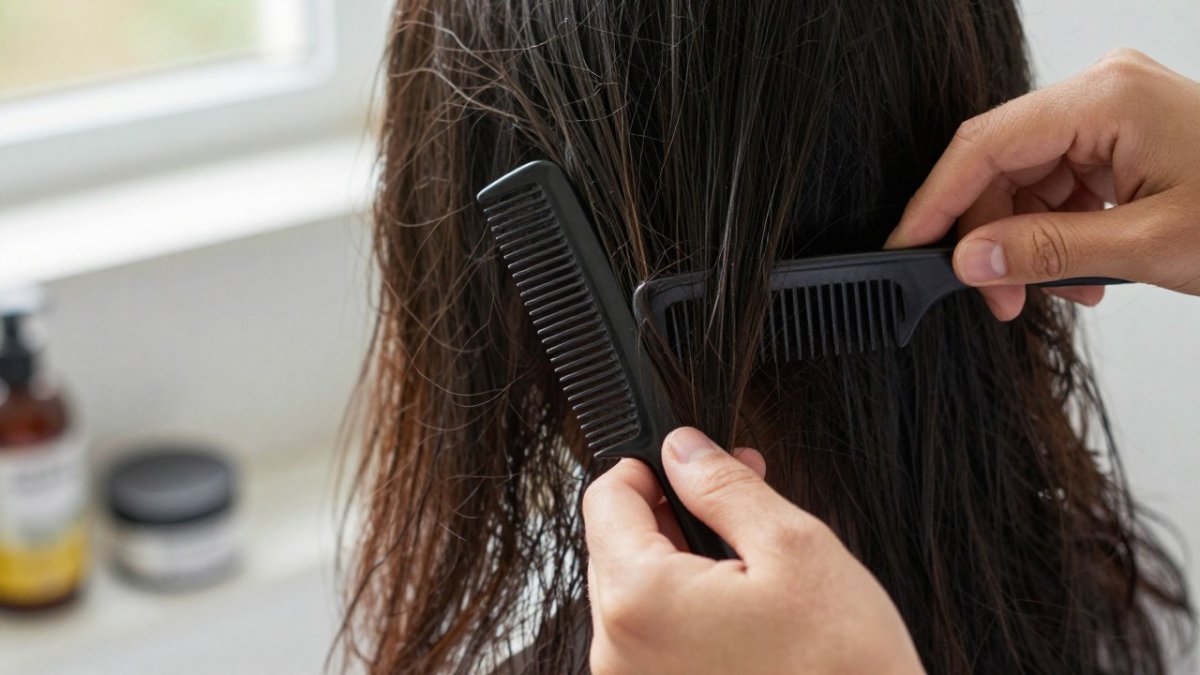
Start with damp hair, not soaking wet. For more general moisture retention techniques for coils, read moisture retention tips for natural hair. Section your hair into 4 to 6 parts and work through each one. Apply your leave-in conditioner first, then a thin layer of cream or oil on top.
Deep Conditioning and Water-Based Hydration
Deep conditioning gives your strands a longer drink of moisture. Work a generous amount of conditioner through damp hair, cover it, and let it sit for 20 to 30 minutes. Heat from a warm cap can help the product absorb.
Water is the main source of moisture for your hair. Products add to it, but they don't replace it. Mist your hair with water or a water-based leave-in every few days to keep it hydrated.
Plenty of people choose a deep conditioner made for coily hair. You can browse our deep conditioner selection to find one that fits your routine.
Layering With the LOC and LCO Methods
LOC stands for liquid, oil, cream. LCO stands for liquid, cream, oil. Both use the same three layers in a different order.
- Liquid: Water or a water-based leave-in. This adds the moisture.
- Oil: Light oil such as jojoba or grapeseed. This slows water loss.
- Cream: A thick butter or cream. This adds a final layer of protection.
Many people with 4B hair prefer LCO because the cream goes on last and holds the curl pattern well. For a deeper explanation of the co-wash routine, see the co wash routine for natural hair. Try both and see which one your hair likes better.
The steps below sum up the wash-day layering routine described in this section.
| Step | What to do | Note |
|---|---|---|
| Start damp | Section hair into 4 to 6 parts | Hair holds the most water right after washing |
| Leave-in | Apply leave-in conditioner first | Adds the base layer of moisture |
| Seal | Apply a thin layer of cream or oil | Slows water loss |
| Deep condition | Leave conditioner on for 20 to 30 minutes | Warm cap can help absorption |
| Mist | Spray with water or water-based leave-in | Every few days keeps hair hydrated |
How to Retain Moisture in 4B Hair Overnight
Nighttime is when hair often loses the most moisture. Friction against cotton pillowcases pulls moisture out and roughs up the cuticle. A satin bonnet or satin pillowcase reduces that friction.
Before bed, lightly mist your hair, apply a small amount of oil or cream, and gently twist or braid it. Keep your twists loose so they don't pull. Tie on your bonnet, and you'll wake up with softer, more defined strands.
How to Keep 4C Hair Moisturized in Braids
Braids can protect your ends and cut down on daily handling, but they can also trap dryness if you skip moisture. Spray your braids with a light water-based mist every few days. Massage a little oil into your scalp to keep it from drying out.
Check your braids every week or two. If the roots feel dry or itchy, use a small amount of moisturizer right on the scalp.
How to Keep 4C Hair Moisturized Between Washes
Between washes, a quick refresh keeps your coils from drying out and keeps your style from looking tired. The trick is to refresh on a schedule you can actually follow and to read your hair's signals instead of guessing.
A Refresh Schedule With Signs to Watch
Mist your hair with water, add a small amount of leave-in, and seal with a light oil. Two or three refreshes a week works for most 4B hair, but adjust based on what you see and feel:
- Refresh more often (every other day) if ends feel rough, shed hairs look dry and brittle, or your style loses definition by day two.
- Refresh less often (once or twice a week) if hair feels coated, products sit on top, or your scalp itches or flakes after refreshing.
- Skip the refresh and cleanse instead if hair feels waxy, heavy, or stiff even after misting. That is a buildup signal, not a dryness signal.
Wash Frequency and Clarifying
Wash your hair about once a week, or every 7 to 10 days if you are in a protective style. Use a clarifying shampoo every 4 to 6 weeks if you use heavy butters, creams, or gels, and sooner if you notice the waxy, coated feeling described above.
Hard Water and Mineral Buildup
Hard water leaves calcium and magnesium behind on the strand. That mineral film can make hair feel rough and can block conditioning agents from absorbing, which reads as persistent dryness no matter how much product you add. Signs include dullness that survives a wash, white film on the hair after it dries, and shampoo that refuses to lather well. A shower filter is the most direct fix; a chelating shampoo used every few weeks is the alternative. If you cannot tell whether your water is the problem, wash with filtered or distilled water for two weeks and compare.
Watch out: layering more cream onto hair that already feels coated makes buildup worse, not better. When in doubt, clarify first and moisturize second.
Choosing Products for Your Moisture Routine at Hair Naturally Beauty Supply
The right products make this routine much easier. Look for leave-ins that list water as the first ingredient, creams with shea or cocoa butter, and light oils that soak in without weighing hair down. Read labels, and avoid heavy waxes if you notice buildup.
Prices depend on quantity, sizes, and delivery options, so check the Hair Naturally Beauty Supply website for current pricing before you buy. At Hair Naturally Beauty Supply, we carry products made for coily, curly, and natural textures, along with braiding hair and styling tools. Our best products for 4B hair guide can help you narrow down your choices.
Start with one change, like adding a water-based mist, and track how your hair responds for two weeks. Small, steady steps usually beat a long list of new products.
Frequently Asked Questions
How do I keep 4B hair moisturized?
Moisturize 4B hair on wash day with a water-based leave-in, then seal the ends and strands with a light oil or cream. Refresh with water and a leave-in every few days, and keep the hair protected at night. Consistency matters more than any single product, so a routine you can repeat each week will do more than a one-time deep treatment. Hair Naturally Beauty Supply carries leave-ins, creams and oils for textured hair; prices depend on size and quantity, so check the website for current pricing.
How can I tell if my 4B hair needs moisture or has product buildup?
Dry hair feels rough and straw-like shortly after moisturizing and breaks easily, while buildup feels waxy, heavy or coated and leaves hair looking dull. Try a gentle clarifying shampoo once a month or so. If hair feels soft and light afterward but dries out again quickly, it needed moisture; if it feels clean and loose, buildup was the problem. Hard water can also cause buildup, so rinsing with filtered water sometimes helps.
How can I keep 4B hair moisturized in braids?
Moisturize the scalp and the hair before braiding, then lightly spritz the braids with water and a leave-in every few days. Avoid heavy waxy products that cause buildup under braids. Sleep with a satin bonnet or pillowcase to reduce friction and keep moisture in longer.