 how-to
Moisture Retention Tips for Coils That Actually Work
Table of Contents
- Why Coils Lose Moisture So Fast
- The LCO vs LOC Method: Which Layering Order Wins for Coils
- How to Seal Moisture in Natural Hair Without Heavy Buildup
- Best Leave-In Conditioners for 4C Hair: What to Look For
- Moisture Retention Tips for Coils: Daily and Weekly Habits
- Common Moisture Mistakes That Keep Coils Dry
- Frequently Asked Questions
Last Updated: October 7, 2026
Why Coils Lose Moisture So Fast
Coily hair loses moisture faster than any other texture because the tight curl pattern makes it hard for natural oils to travel from your scalp to your ends. That leaves the strands dry and brittle over time.
This is the core problem behind every moisture retention tips for coils routine. Type 4 hair has fewer cuticle layers and more bends, so water escapes quickly. A common mistake is treating coils like straight hair. It is not.
Here at Hair Naturally Beauty Supply, we hear the same complaint from customers with 4A, 4B, and 4C hair: products sit on top of the hair instead of soaking in. The texture is not the enemy. The wrong method is.
So what actually holds water inside a coil? The answer starts with layering order.
The LCO vs LOC Method: Which Layering Order Wins for Coils
The LCO vs LOC method comes down to one question: does your hair absorb water easily or repel it? LCO stands for liquid, cream, oil. LOC stands for liquid, oil, cream.
For most 4C hair, the LCO method works better. Here is why.
- LCO (liquid, cream, oil): Best for high-porosity hair that soaks up water fast
- LOC (liquid, oil, cream): Best for low-porosity hair that water sits on top of
- Test it: Drop water on a clean strand. If it sinks in fast, use LCO
High-porosity coils grab water and lose it just as fast. The cream locks water in, then the oil seals the surface. That order matters.
If your hair takes forever to get wet in the shower, you likely have low porosity. Switch to LOC so the oil does not block the water from entering.
How to Seal Moisture in Natural Hair Without Heavy Buildup
Knowing how to seal moisture in natural hair is less about the product and more about the amount. Buildup happens when you layer too much of everything.
The fix is simple. Use less, and focus on the ends.
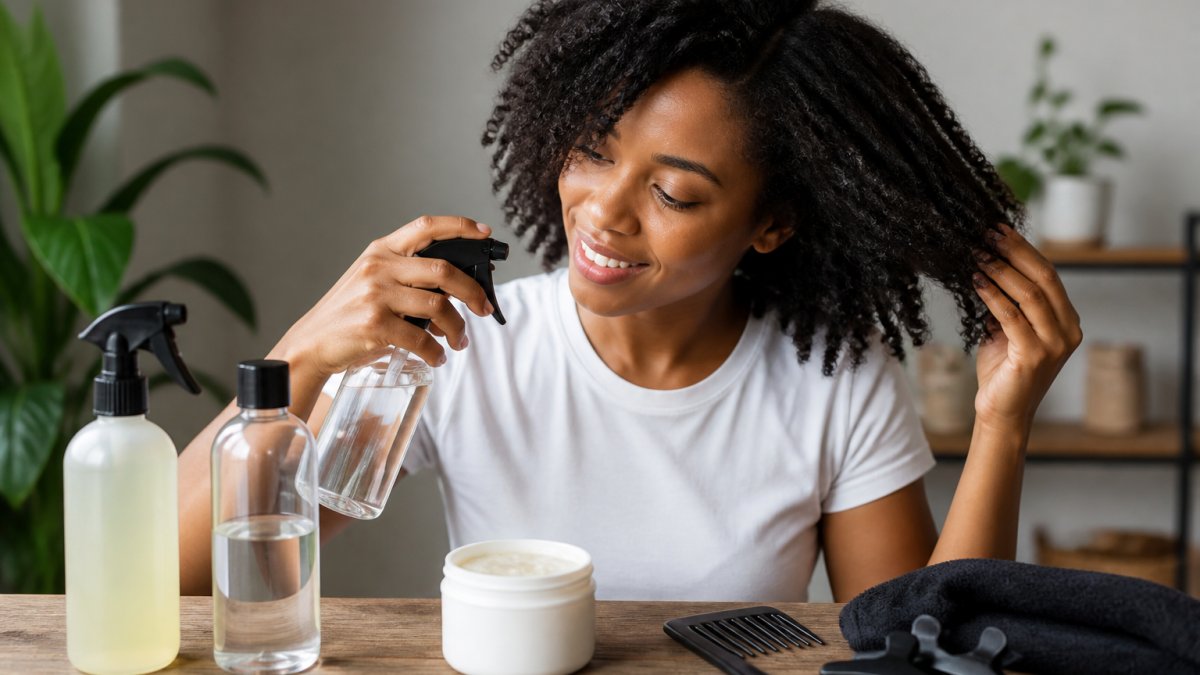
- Start with a water-based leave-in on damp hair
- Add a light cream to the mid-lengths and ends only
- Finish with a few drops of oil to seal, not soak
- Skip your roots unless they feel dry
Heavy butters and thick oils feel good for a day. Then they coat the strand and block new moisture from getting in. That is the trap.
A common mistake is piling on product to fix dryness. More product on dry hair just means more buildup. Water first, always.
If your coils feel greasy but still dry, you are sealing without moisturizing. Strip back to water and a light leave-in for a week.
Best Leave-In Conditioners for 4C Hair: What to Look For
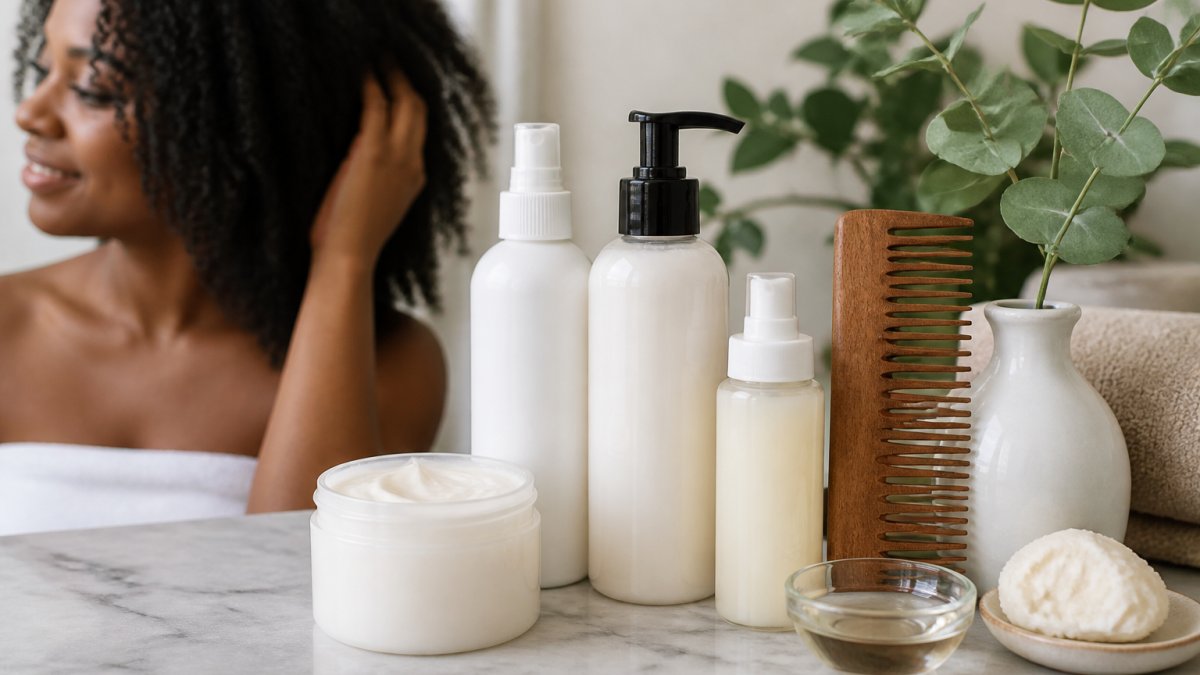
The best leave-in conditioners for 4C hair share a few traits: water as the first ingredient, slip for detangling, and no heavy waxes. That combination lets the product actually reach the strand.
Read the label before you buy. Here is what to check:
| What to Look For | Why It Matters |
|---|---|
| Water as first ingredient | Real moisture, not just coating |
| Glycerin or aloe | Pulls water into the hair |
| No mineral oil or wax | Prevents buildup and blocked moisture |
| Slip for detangling | Less breakage on coily ends |
Glycerin works well in humid weather. In dry winter air, it can pull moisture out of your hair instead of in. Watch how your hair reacts by season.
At Hair Naturally Beauty Supply, we stock leave-ins picked for coily and curly textures, so you are not guessing in the aisle. Our team focuses on 4A, 4B, and 4C hair, which means the picks fit the texture you actually have.
Moisture Retention Tips for Coils: Daily and Weekly Habits
Moisture retention tips for coils only work when they become habits. A single deep-conditioning session will not fix chronic dryness. Consistency does.
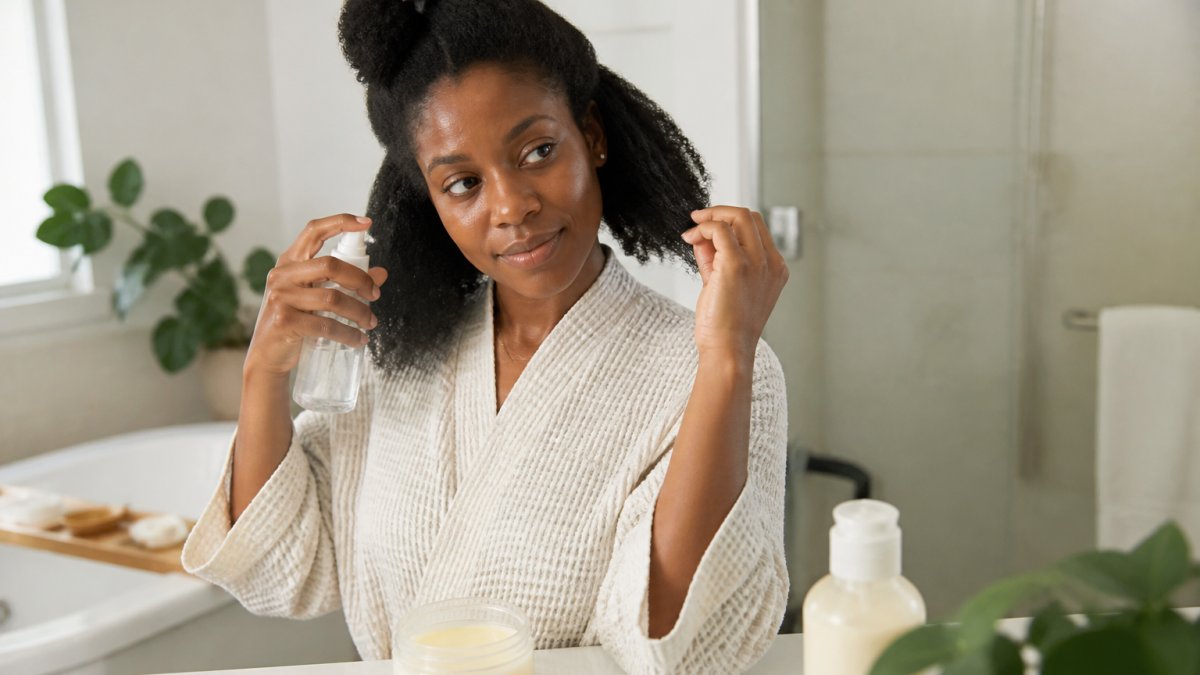
Daily habits:
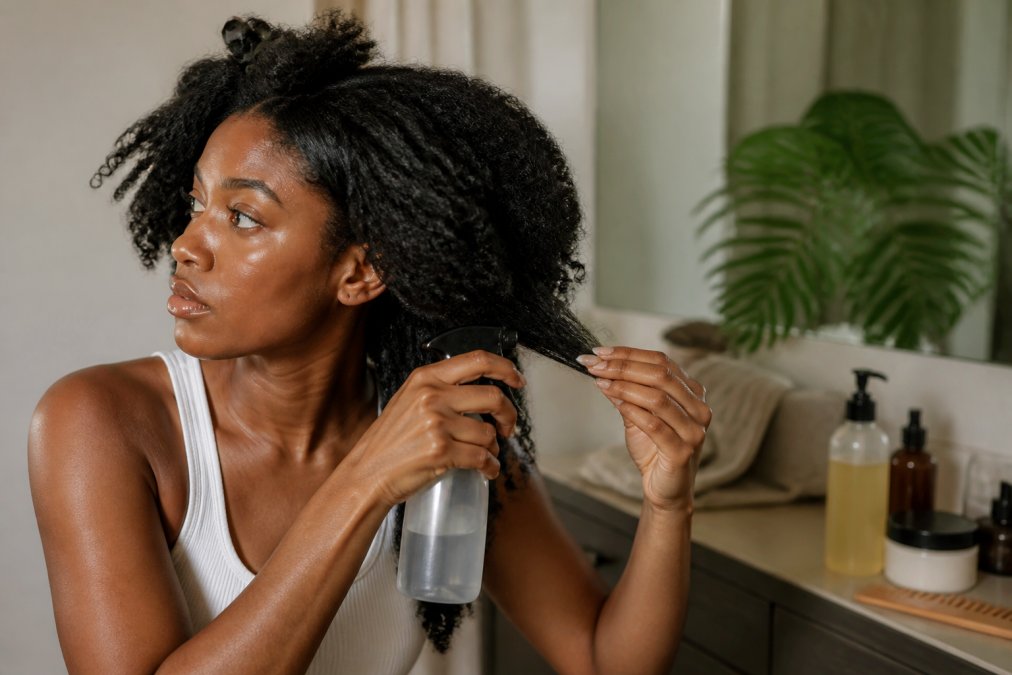
- Spritz with water or a water-based refresher each morning
- Seal ends with a light oil before styling
- Sleep on satin or silk to stop moisture loss overnight
Weekly habits:
- Deep condition for 20 to 30 minutes with heat
- Clarify once a month to clear buildup
- Do a protein treatment only when hair feels mushy, not on a fixed schedule
Many people find that protective styles like twists and braids cut down on daily manipulation. Less handling means less breakage and slower moisture loss.
Common Moisture Mistakes That Keep Coils Dry
Most dry-coil problems trace back to a handful of habits. Fix these and your routine starts working.
- Skipping water: Oils and creams cannot moisturize on their own
- Overwashing: Shampoo strips natural oils, so wash every 1 to 2 weeks
- Too much protein: Protein makes hair stiff when you overdo it
- Applying to dry hair: Products sit on top instead of absorbing
- Rough drying: Terry towels snag coils and cause breakage
A mistake we see often is chasing a single "miracle" product. No one product fixes dry coils. The routine does.
The real difference between hair that stays soft and hair that stays dry comes down to water, layering, and patience. Give a new routine four to six weeks before you judge it.
You can find leave-ins, creams, oils, and satin accessories picked for coily textures at Hair Naturally Beauty Supply, with fast shipping and a focus on 4A, 4B, and 4C hair.
Frequently Asked Questions
What is the best way to keep 4C hair moisturized?
Start with clean, conditioned hair, then layer water-based leave-in conditioner followed by a natural oil and a butter or cream to seal. This three-step process locks hydration into the strand. Reapply lightweight moisture every two to three days, and protect coils at night with a satin bonnet or pillowcase. Deep condition weekly to restore lipids and proteins that keep 4C hair from drying out between washes.
How often should I moisturize my coily hair?
Most coily hair types need moisture every two to three days. If your coils feel dry the same day you moisturize, your products may be too heavy or your hair may have high porosity and need a sealing oil. During protective styles like braids or twists, you can stretch to once or twice a week with a light leave-in spray. Adjust based on how your hair feels, not a fixed schedule.
What is the LCO method for natural hair?
LCO stands for Liquid, Cream, Oil. You apply a water-based leave-in first, follow with a cream or butter to add moisture, then finish with an oil to seal everything in. It works well for high-porosity coils that lose moisture quickly. The LOC method reverses the last two steps. Try both and see which one keeps your coils softer longer between wash days.
Why does my coily hair feel dry even after moisturizing?
Your products may be sitting on top of the hair instead of absorbing. Buildup from silicones or heavy butters blocks water from entering the strand. Clarify monthly, then use a water-based leave-in before any oil or butter. If your hair is low porosity, apply products to damp hair and use lightweight oils like grapeseed instead of heavy ones like castor. Porosity affects how well moisture retention tips work for your coils.
Dry, brittle coils are frustrating, but the fix is a routine, not a single product. Start with water, layer in the right order, and stay consistent for a few weeks. At Hair Naturally Beauty Supply, we carry leave-in conditioners, creams, and oils curated for 4A, 4B, and 4C hair, backed by fast shipping and a Black-owned, community-first approach. Shop Now and give your coils the moisture they have been missing.