 blog
Divine Melanin vs Beauty Braids: What to Know
Table of Contents
- Divine Melanin vs Beauty Braids: What Each Name Really Means
- Side-by-Side Comparison: Style, Service, and Value
- Boho Braids vs Knotless Braids: Which Style Fits Your Look
- How Long Do Goddess Braids Last (and What Shortens Their Life)
- Least Damaging Braids for 4A, 4B, and 4C Hair
- Choosing Braiding Hair for 4C Hair: Texture, Color, and Length
- How to Compare Braiding Hair and Retailers Before You Buy
- Conclusion: Making the Right Choice for Your Hair
- Frequently Asked Questions
Last Updated: October 9, 2026
Divine Melanin vs Beauty Braids: What Each Name Really Means
Search for "Divine Melanin vs Beauty Braids" and you will find very little that actually compares them. At Hair Naturally Beauty Supply, we hear from customers every week who ordered from the wrong place because a post used the two names interchangeably.
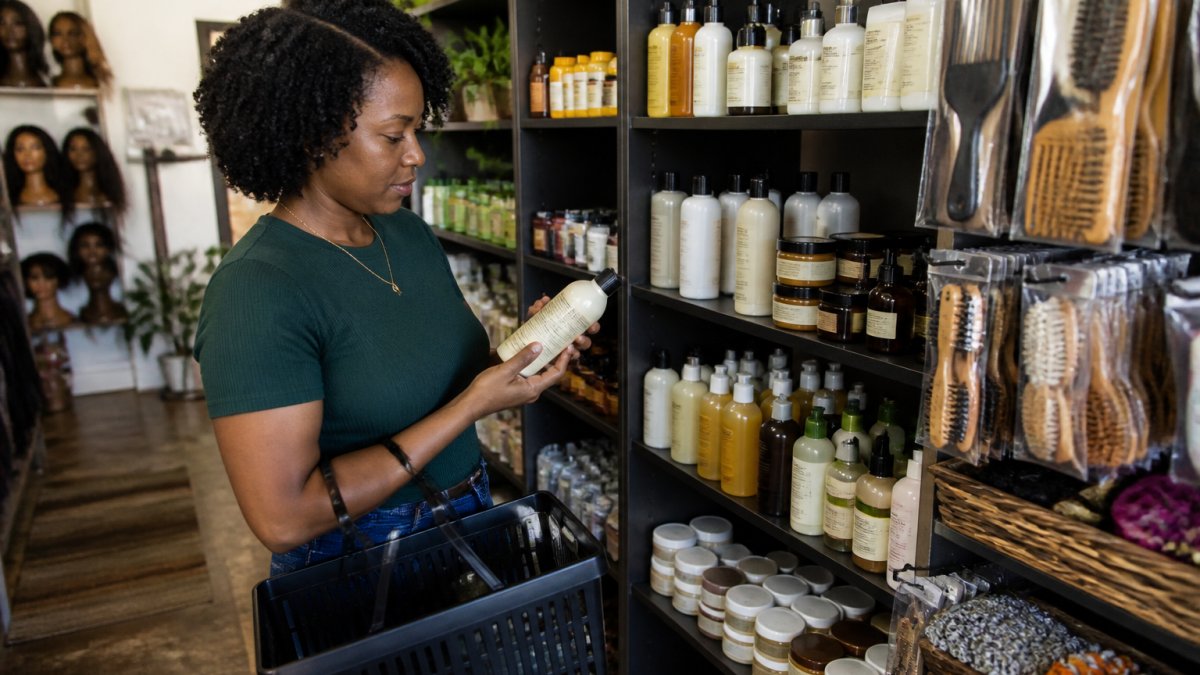
Divine Melanin is a beauty supply retail name associated with products and styling goods for deeper skin tones and textured hair. Beauty Braids is a braiding-focused name tied to braided styles and braiding hair.
If you are weighing Divine Melanin vs Beauty Braids, neither name alone tells you what you are getting. What matters is the service, the hair used, the braid pattern, and how the finished style sits on your hair type.
Why the Two Names Get Confused
The confusion is mostly a search problem. Both phrases surface in the same social feeds and inspiration posts, often next to goddess braids, boho braids, and knotless braids. Readers see a caption, remember half of it, and assume the two are options in the same lineup. They are not: one name reads as a beauty supply identity, the other as a braiding service.
Side-by-Side Comparison: Style, Service, and Value
The public record on both names is thin, so compare Divine Melanin vs Beauty Braids by separating what is verifiable from what is assumed. Neither name tells you whether you are buying products, booking a service, or following a creator. Here is what each name most commonly refers to in retail listings, service menus, and social posts:
- Divine Melanin most often appears as a beauty supply retail identity, products, braiding hair, and styling goods positioned for deeper skin tones and textured hair. The emphasis is on what you take home.
- Beauty Braids most often appears as a braiding-focused identity, installed styles and braiding hair. The emphasis is on the finished look and the appointment.
That distinction matters because a retailer and a braider solve different problems. Treating them as interchangeable is how shoppers end up with the wrong shade, the wrong texture, or a service they did not book.
What to Compare When the Names Are Ambiguous
Because neither name guarantees a specific offering, compare on the factors that decide your result:
| Factor | What to verify | Why it changes your outcome |
|---|---|---|
| Braid types offered | Goddess, boho/bohemian, knotless, feed-in, box braids | Determines tension, finish, and how the style ages |
| Hair included | Whether the price covers braiding hair or you supply it | Changes total cost and color/texture control |
| Customization | Part placement, length, density, color blending | Affects how natural the style reads on your hairline |
| Length options | Stated in inches or a visual reference | Long braids add weight, which pulls on roots over weeks |
| Appointment requirements | Deposit, consultation, prep, cancellation policy | Prevents surprise fees and rushed installs |
| Texture match | Whether hair is described for 4A, 4B, or 4C | Mismatched texture causes slipping or friction |
Style Range: What Each Side Typically Covers
A beauty supply retailer stocks materials for any braid you build yourself, box braids, feed-in braids, knotless braids, and goddess or boho finishes, but the pattern and tension are on you.
If you want a specific look, a middle part, a side part, a density, or a color blend, confirm it before you commit. A retailer cannot customize a pattern; a braider can, usually for an added fee or a longer appointment.
Hair Included: The Detail That Changes the Price
This is the most common source of sticker shock. Some braiding services include the hair in the quoted price; others expect you to bring your own. When hair is included, the stylist controls texture and shade, usually producing a more consistent result.
Ask directly: Is the hair included, and if so, which brand and texture? If the answer is vague, assume it is not included and budget for it separately.
Price Factors, Not Price Tags
A single quoted price is rarely the full cost. The factors that move the number are consistent:
- Length and density, longer, fuller braids take more hair and more time.
- Braid type, knotless and feed-in installs are more labor-intensive than standard box braids.
- Hair included or not, this alone can swing the total significantly.
Treat any unusually low quote as a question, not an answer. Ask what is included, how long the appointment is, and whether a deposit is required.
A Practical Selection Framework
Use these questions to decide which side you actually need:
- Do you want to install the style yourself? If yes, you need a retailer. If no, you need a braider.
- Do you have a specific shade in mind? If yes, confirm the retailer or stylist carries it in a texture that matches your hair.
- How long do you want to wear it? Longer wear usually means better hair and a lower-tension install, not a cheaper quote.
- What is your scalp history? If you have had tension headaches or edge thinning, prioritize knotless or feed-in options.
- What is your realistic budget? Add the hair cost to the service cost before you compare quotes.
Answer those five honestly and the Divine Melanin vs Beauty Braids question stops being about names and starts being about fit.
Boho Braids vs Knotless Braids: Which Style Fits Your Look
Boho braids and knotless braids differ in tension, finish, and how they age. Boho braids, also called bohemian braids, mix in loose, curly strands for a soft, goddess-style look. Knotless braids feed extensions in without the bulky root knot, which many find gentler on the scalp. Choose boho braids for a softer, more textured finish; choose knotless braids if scalp comfort and a flatter, more natural root are your priorities.
- Boho braids: soft, curly accents, goddess-inspired, needs gentle handling
- Knotless braids: flat roots, less tension, natural-looking part
- Feed-in braids: gradual extension feed, flexible braid pattern
How Long Do Goddess Braids Last (and What Shortens Their Life)
Goddess braids typically hold for four to six weeks, but that range is a ceiling, not a default. Most practitioners find the style looks its best for the first two to three weeks, then loosens, frizzes, or shifts at the roots. What separates a braid that lasts six weeks from one that looks tired at three is almost entirely aftercare and installation tension, not the style name.
The Mechanisms That Shorten Wear Time
Four things reliably cut a goddess braid's life short:
- High installation tension. Braids pulled tight at the root stress the follicle and the hairline. The damage often shows up two to three weeks in, when edges thin or the scalp stays sore.
- Dry scalp and skipped moisture. A dry scalp itches, and scratching loosens the braid base. Without moisture, the natural hair under the braids becomes brittle and more prone to breakage at removal.
- Friction during sleep. Cotton pillowcases roughen the braids and pull at the edges. A satin scarf, bonnet, or satin pillowcase reduces that friction.
A Week-by-Week Care Rhythm
A simple routine keeps the style wearable longer:
- Week 1: Keep the scalp clean and moisturized. Avoid tight updos and let the braids settle. If the scalp is sore, the install was too tight.
- Weeks 2-3: Moisturize the scalp with a lightweight oil or leave-in, focusing on the part lines. Refresh the loose curly pieces with water and a light leave-in, then leave them alone.
- Weeks 4-5: Expect some frizz at the roots and around the hairline. Sleep with satin protection every night. Avoid pulling the braids into high, tight styles.
Scalp and Tension Signals to Watch
Your scalp gives clear warnings. Soreness lasting more than a day or two after installation, redness along the part lines, bumps at the hairline, or a persistent headache all signal tension that is too high. The fix is not to tough it out, have the braids redone looser or removed. Edge thinning from repeated tight installs is often permanent, which is why low-tension styles like knotless and feed-in braids are the safer default for 4A, 4B, and 4C hair.
Safe Removal Matters as Much as Installation
How you take the braids down affects your hair as much as how they went in. Rushing removal, pulling through tangles, or cutting too close to your own hair causes breakage. Detangle each braid with fingers and a wide-tooth comb, working from the ends up, and apply a slippery conditioner or detangler to loosen buildup at the root. A full takedown can take several hours, and rushing it is where most damage happens.
When to Skip Goddess Braids Altogether
If you have a history of tension headaches, thinning edges, or a sensitive scalp, goddess braids with heavy loose pieces may not be right. Knotless and feed-in braids distribute weight more evenly and put less stress on the hairline. The style name is not the deciding factor, the tension at your roots is.
Least Damaging Braids for 4A, 4B, and 4C Hair
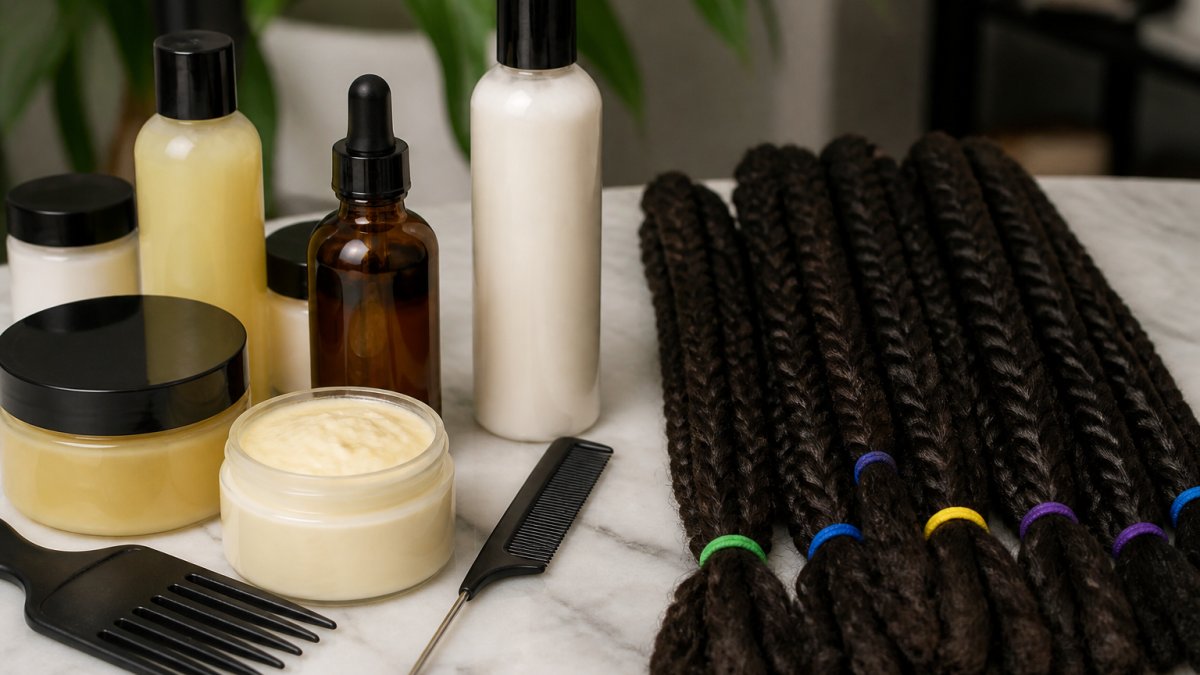
The least damaging braids are installed with low tension and the right hair for your texture. For 4A, 4B, and 4C hair, that usually means knotless or feed-in braids, both of which avoid the heavy root knot that pulls on delicate edges.
Texture matters as much as technique. Braiding hair that is too coarse can rub against your natural strands; hair that is too slick can slide and loosen the braid.
Choosing Braiding Hair for 4C Hair: Texture, Color, and Length
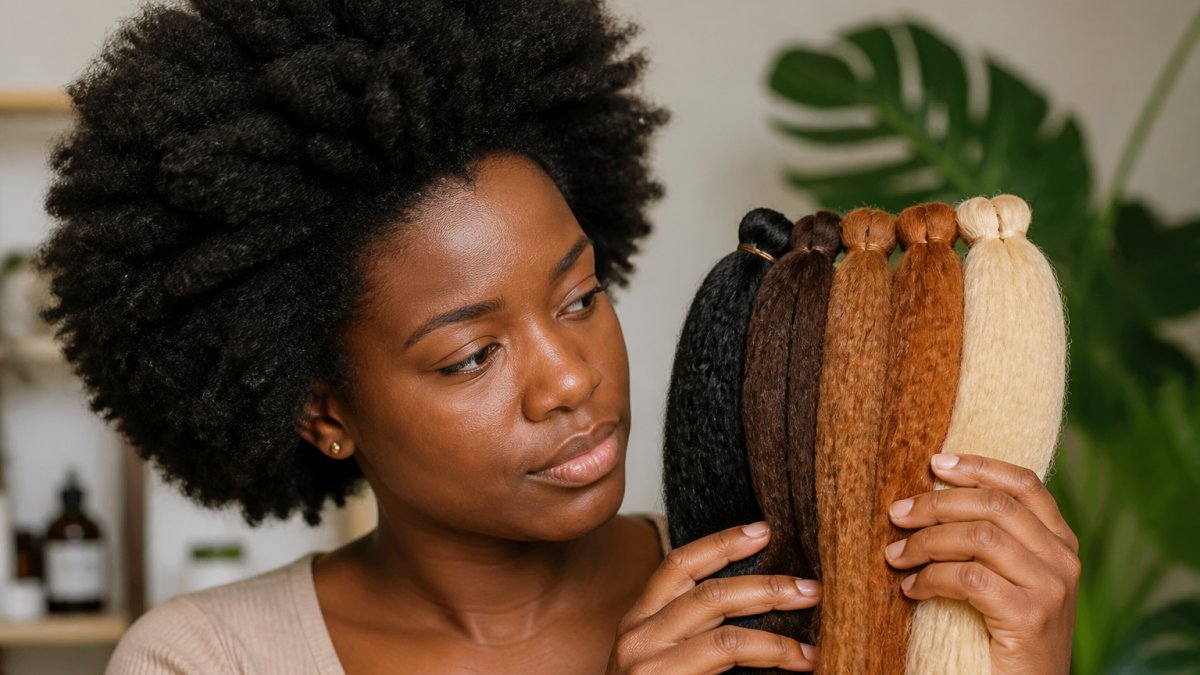
For 4C hair, choose braiding hair with a texture close to your own and a shade that flatters your skin tone in daylight, not under store lighting. Comparing shades in daylight, holding the hair beside your face and neck, prevents the returns and re-orders that come from guessing online.
How to Compare Braiding Hair and Retailers Before You Buy
Compare retailers on four things: texture and shade range, whether hair is included, how the braid pattern is described, and how returns work. Price variation is normal, so treat a low price as a question, not an answer.
Run this checklist before you order:
- Does the shade list show the tone in daylight, not just a studio photo?
- Is the hair texture described for 4A, 4B, or 4C hair specifically?
- Is length stated in a way you can picture on your own frame?
A retailer built around coily and curly textures will usually answer these better than a general store. That is the practical test, not the name on the label.
Conclusion: Making the Right Choice for Your Hair
The real challenge with Divine Melanin vs Beauty Braids is not picking a winner. It is knowing what each name stands for and shopping accordingly, so you are not comparing a product source to a service.
At Hair Naturally Beauty Supply, we built our store for exactly this.
Get started with Hair Naturally Beauty Supply and find braiding hair chosen for your hair type, not the average shopper's.
Frequently Asked Questions
Are Divine Melanin and Beauty Braids braiding styles or businesses?
Both names read like businesses rather than specific braid styles. If you search for them expecting a step-by-step tutorial, you may end up on a retailer's page instead. Before you buy or book anything, confirm what the name actually refers to: a shop, a brand, or a salon. If it turns out to be a retailer, compare it the same way you would any beauty supply source, looking at hair texture options, color range, and shipping rather than styling technique.
What is the difference between Divine Melanin and Beauty Braids?
The clearest difference comes down to what each name represents, and that should be verified before you rely on either. Treat them as two options to evaluate, not two styles to copy. Compare what each offers for braiding hair, whether they carry textures suited to 4C hair, how they describe their hair color range, and what their shipping and return terms look like. Once you have those details side by side, the choice usually becomes obvious.
Which is better, boho or knotless braids?
Neither is universally better; it depends on the look and the tension you want. Boho braids leave loose strands out for a softer, more undone finish, which suits goddess and bohemian styles. Knotless braids start with your own hair and feed the extension in gradually, so the base sits flatter against the scalp. If you want a lighter feel and less pull at the roots, knotless is often the gentler choice. If you want volume and movement, boho styling delivers that.
What braids are the least damaging?
Knotless and feed-in techniques are generally considered the least damaging because they avoid a tight knot at the scalp and distribute weight more evenly. Length matters too: very long braids add weight that pulls on the hairline over time. Keep edges clean rather than tightly braided, avoid leaving a style in for months without a break, and give your scalp a rest between installations. Choosing braiding hair that matches your natural texture also reduces friction at the root.