 listicle
Are Styling Tools for Thick Hair Worth the Money?
Last Updated: October 30, 2026
Quick Summary
Styling tools for thick hair are worth the money when they deliver enough heat, wide surfaces and steady temperature under load, so you buy once instead of replacing tools every year. Prioritize a high-wattage dryer with real airflow and a wide-plate iron that holds heat, since repeat passes are where damage happens.
- Titanium plates recover heat faster under heavy sections, while ceramic plates heat more evenly but can sag under dense loads.
- Wide-plate flat irons run roughly 1.5 to 2 inches versus about 1 inch on standard models, cutting your pass count.
- The Curlsmith De-Frizzion Travel Dryer is listed by Glamour at $140 for travelers with curly textures.
- The T3 Aire 360 Ceramic Air Styler Blowout Kit costs $250 per Glamour's guide and combines drying with smoothing.
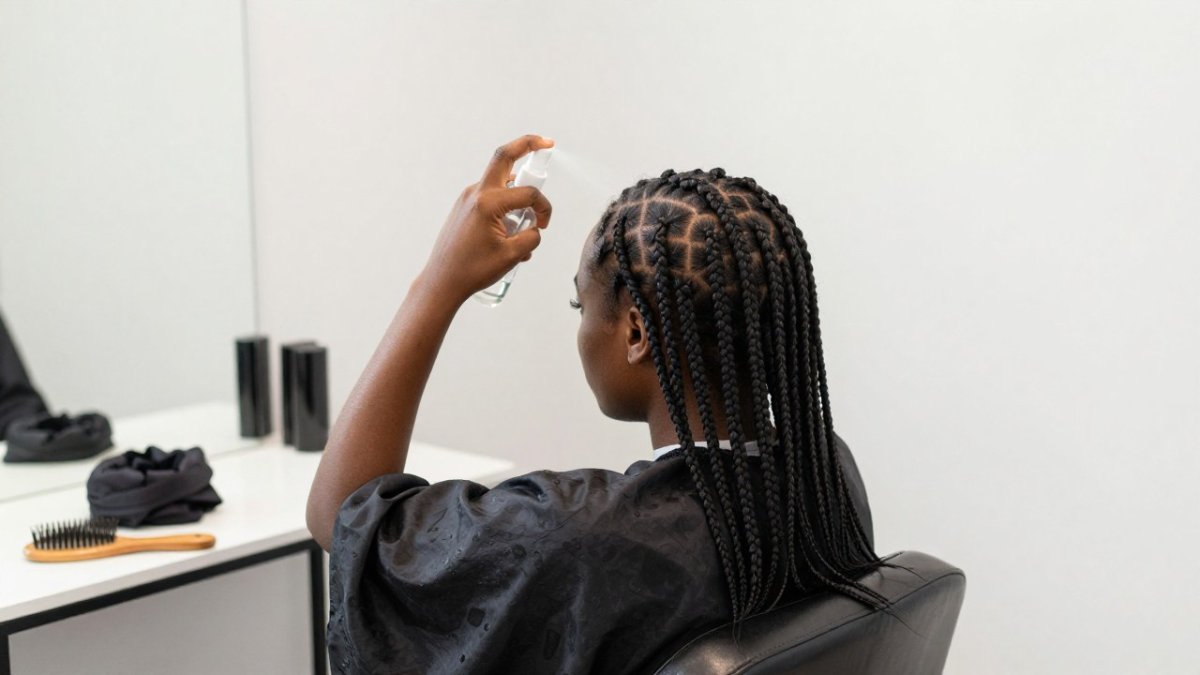
- Apply heat protectant section by section, not as a light mist over the whole head, and finish each section with a cool shot.
Table of Contents
- Quick Comparison: Styling Tools for Thick Hair at a Glance
- What to Look For in Styling Tools for Thick Hair
- The Best Hair Dryer for Thick Hair: What Actually Dries Dense Strands
- The Best Flat Iron for Thick Hair: Wide Plates and Even Heat
- The Best Brush for Thick Hair: Detangling, Smoothing, and Volume
- How to Straighten Thick Hair in Fewer Passes
- Curling and Multi-Styling Tools for Coily and Curly Textures
- Heat Protection, Weight, and Maintenance: What Buyers Overlook
- Frequently Asked Questions
Quick Comparison: Styling Tools for Thick Hair at a Glance
Dense, coily hair doesn't respond to the same tools that work on fine strands.
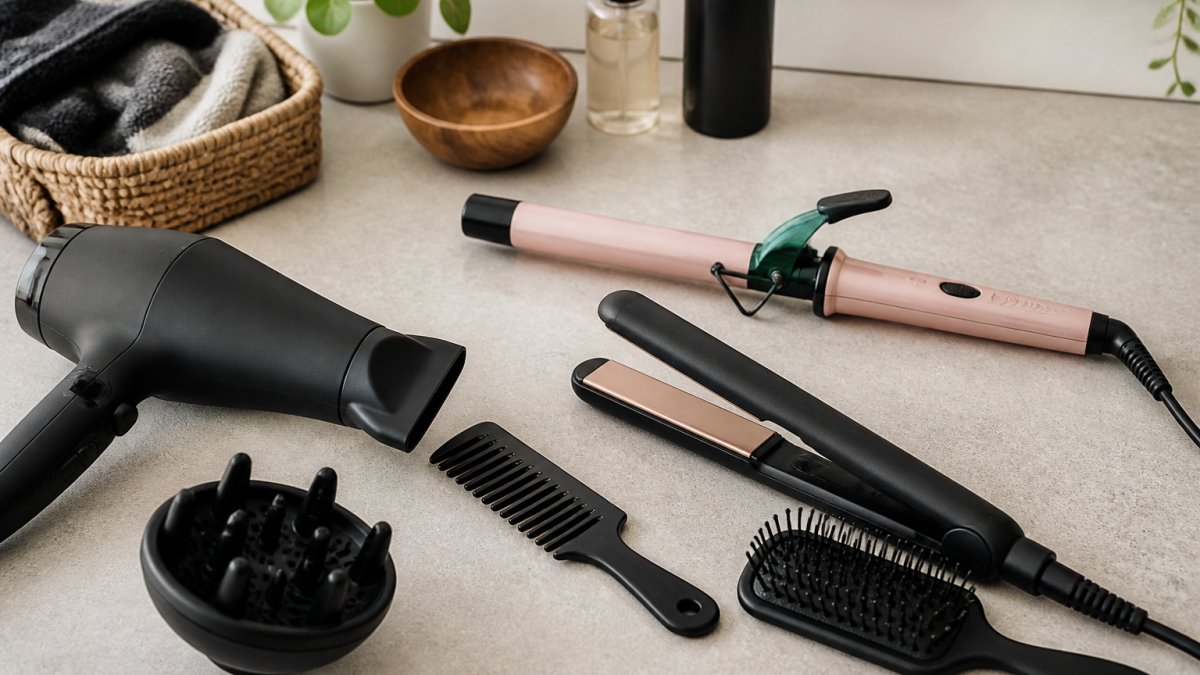
Below, we cover the best hair dryer for thick hair, the best flat iron for thick hair, the best brush for thick hair, and how to straighten thick hair without scorching it.
| Tool | What Matters Most | Best For | Watch Out For |
|---|---|---|---|
| Hair dryer | Wattage and airflow | Drying dense roots fast | Weak motors that overheat |
| Flat iron | Wide plates, even heat | Straightening long, coily hair | Narrow plates mean repeat passes |
| Round brush | Bristle type and barrel size | Smoothing and volume | Cheap bristles that snag |
| Curling tool | Barrel size and coating | Curl definition on 4A-4C hair | Barrels too small for dense sections |
| Detangling brush | Flexible, seamless teeth | Wet detangling | Rigid teeth that tear strands |
A common mistake is buying one "do-everything" tool. Dense hair usually needs a dryer with real airflow and a straightener with wide plates, not a single gadget that does both poorly.
What to Look For in Styling Tools for Thick Hair
Buying for thick hair comes down to heat, surface area, and control. Three specs decide whether a tool works on dense strands or fights you: plate material, heat capacity, and temperature range.
Ceramic vs. Titanium Plates
Ceramic plates heat evenly and distribute warmth across the plate, which suits medium textures and reduces hot spots. Titanium plates heat faster and hold temperature better under heavy sections of hair.
The trade-off is real. Titanium recovers heat quickly when you clamp down on a thick section, but it can run hotter and demands more care with heat protectant.
Heat Capacity, Wattage, and Temperature Settings
Heat capacity is how well a tool maintains temperature when hair touches it.
For dryers, wattage tells you about airflow potential, not just heat. A 1875-watt dryer moves more air than a lower-wattage travel model, which matters when you're drying dense roots.
Temperature control matters more than peak heat. Fine hair does well around lower settings; coarse hair needs more, but always with a heat protectant and steady motion.
The Best Hair Dryer for Thick Hair: What Actually Dries Dense Strands
The best hair dryer for thick hair moves a lot of air at a controlled temperature. Airflow does the drying; heat only speeds it up.
Models worth considering include the BaBylissPRO Nano Titanium Dryer, which Reviewed's hair styling tool roundup names among its favorites, and the Revlon 1875W Infrared Hair Dryer, also featured there for its wattage and infrared design. You can browse blow dryers that match these specs.
Best for: dense roots that take forever to dry. Skip if: you mostly air-dry and only need a finishing tool.
The Best Flat Iron for Thick Hair: Wide Plates and Even Heat
The best flat iron for thick hair uses wide plates and holds heat under pressure. Wide plates grip more hair per pass, which cuts styling time and reduces the number of times heat touches the same section.
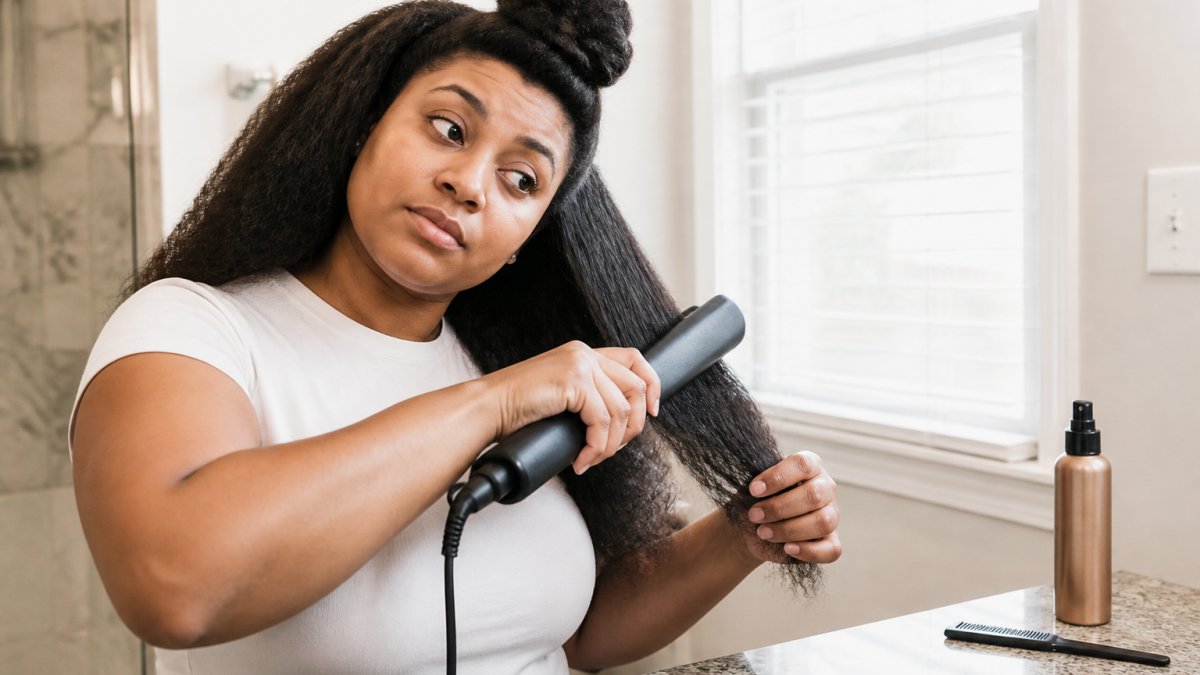
Plate width: the spec that changes your pass count
Most standard flat irons use plates about 1 inch wide. Wide-plate models run roughly 1.5 to 2 inches. On dense hair, that extra surface area means you can feed a thicker section between the plates without the iron stalling or dragging. A practical rule: if you need more than two passes on a section that is already detangled and protected, your plate is probably too narrow for your density.
Heat capacity under load
Heat capacity is how well the plates recover after they touch hair. A iron with weak heat capacity drops in temperature the moment you clamp a thick section, so the first pass does less work and you instinctively make a second and third. That repeat-pass cycle is where damage accumulates. Titanium plates tend to recover faster under heavy sections; ceramic plates heat more evenly but can sag under repeated dense loads.
Temperature selection by texture and goal
There is no single correct temperature, but a common pattern among stylists is to start lower and increase only when a section resists. Fine or color-treated strands do better at the low end of the dial; coarse, resistant textures need more heat but also more protection and steadier motion. If you are smoothing for a sleek finish, a single slow pass at a moderate setting usually beats several fast passes at maximum.
A consistent way to compare irons
Rather than ranking by brand, compare irons on the same four measures: (1) time to straighten one standardized section, (2) number of passes needed for a smooth result, (3) visible frizz reduction after styling, and (4) how much the plate temperature appears to recover between passes. You do not need lab equipment to notice the difference, time a section on each side of your head with two irons and count your passes. The iron that gets you to smooth in fewer passes is the one that will cost your hair less over time.
Models worth a look
The ghd Chronos is a straightener named in Who What Wear's 2026 roundup, though the source doesn't publish USD pricing or thick-hair-specific results. The T3 Aire 360 Ceramic Air Styler Blowout Kit, at $250 per Glamour's guide, combines drying and smoothing for blowout styling.
Best for: long hair that needs fewer passes. Skip if: you have short hair, where a standard-width plate gives more control.
The Best Brush for Thick Hair: Detangling, Smoothing, and Volume
The best brush for thick hair depends on the job. Detangling wet coily hair calls for a brush with flexible, seamless teeth that glide through without tearing.
For detangling, look for flexible teeth and a cushioned base. You can shop brushes that match this detangling and smoothing advice.
Best for: wet detangling and blowout smoothing. Skip if: you only finger-detangle and air-dry.
How to Straighten Thick Hair in Fewer Passes
Fewer passes is the whole game. Every extra pass adds heat damage, so the goal is to get each section smooth in one or two passes, not five.
- Start on dry, detangled hair. Never straighten soaking-wet thick hair; rough-dry first.
- Section into small, even pieces. Wide plates help, but sections still need to be manageable.
- Apply heat protectant to each section. Not a light mist over the whole head.
- Set the iron to a moderate temperature. Start lower and increase only if needed.
- Use steady, single-direction passes. One smooth pull beats several jittery ones.
- Finish with a cool shot. It sets the cuticle and locks in smoothness.
Watch out: skipping heat protectant on coarse hair is the fastest route to split ends and breakage. If you're transitioning from a relaxer, relaxer texturizer straighteners can support the process alongside careful heat styling.
Curling and Multi-Styling Tools for Coily and Curly Textures
Curl definition on coily textures depends on barrel size and coating more than brand. You can browse curling irons for coily and curly thick hair.
If you're just starting with heat tools, our curly hair styling tools for beginners guide walks through the basics before you buy.
Best for: 4A-4C textures that want defined, consistent curls. Skip if: you already have a barrel size that works and only need a refresh.
Heat Protection, Weight, and Maintenance: What Buyers Overlook
The specs that don't make the box matter as much as the specs that do. Three things buyers overlook: heat protection, tool weight and ergonomics, and upkeep that determines cost per use.
Heat protection for dense hair
Heat protection is non-negotiable on dense hair. Coarse strands tolerate more heat, but they still break when heat is applied repeatedly without protection. The mistake is a light mist over the whole head; apply protectant section by section, especially on the mid-lengths and ends where repeat passes land. Pair protection with temperature discipline: start lower, increase only if a section resists, and stop when the section is smooth rather than continuing to "make sure." Fewer protected passes beat many unprotected ones.
Weight, grip, and fatigue
Styling thick hair takes time, and a heavy dryer or iron tires your wrist before you finish. Fatigue leads to sloppy passes, and sloppy passes lead to damage. Weight is a deciding factor, not a nice-to-have, if you have limited grip strength or shoulder issues. Look at three things beyond the number on the scale: how the handle fits your hand, whether the cord swivels or drags, and whether the barrel or plate balance sits forward or back.
Maintenance that protects performance
Plates and dryer filters collect product and dust, and a clogged filter forces the motor to work harder and run hotter. Wipe plates after each use once they are cool, clean or replace dryer filters on the schedule in your manual, and store tools so cords don't kink at the base, cord failure is one of the most common reasons a working tool gets retired.
Warranty and cost per use
Warranty terms vary widely, so read them before buying rather than after something fails. Note the coverage length, what it excludes (often cord damage and normal wear), and whether you need a receipt or registration. Then think in cost per use: divide the price by the number of styling sessions you realistically expect. A $250 tool used three times a week for two years costs far less per use than a $60 tool replaced twice in the same period, provided the expensive tool actually lasts and you use it.
Frequently Asked Questions
What are the best styling tools for thick hair?
The core set is a high-wattage hair dryer with strong airflow, a wide-plate flat iron (1.5 to 2 inches) with adjustable temperature control, a round brush or detangling brush built for dense strands, and a curling or multi-styler tool with a barrel sized to your goal. Thick hair needs tools that hold heat under load, so look for ceramic or titanium plates and heat settings you can dial to your texture rather than a fixed high heat.
Are ceramic or titanium styling tools better for thick hair?
Both work, but they behave differently. Ceramic plates heat evenly and glide smoothly, which suits coily and curly textures that need consistent, gentle heat. Titanium heats faster and holds temperature better under heavy sections, so it recovers quickly when you pass through dense hair. For thick hair, titanium wins on heat recovery; ceramic wins on even, forgiving distribution. Check that the tool lists adjustable temperature control either way.
How do you straighten thick hair without spending hours?
Start with clean, fully dry hair, then section it into four to six manageable parts. Apply a heat protectant, run a wide-tooth comb through each section, and use a flat iron with wide plates so you cover more hair per pass. Set the temperature to match your texture instead of maxing it out, and work in thin subsections. Fewer passes at the right heat beat repeated passes at high heat, and they cut styling time.
What curling iron size is best for thick hair?
Barrel size depends on the look you want. A 1-inch barrel gives defined curls and works well for medium-length thick hair, while 1.25 to 1.5 inches creates looser waves and covers more hair per wrap. For long, dense hair, a larger barrel reduces the number of sections you need. Multi-stylers with interchangeable barrels let you switch sizes without buying separate tools.
How can I reduce frizz when styling thick hair?
Frizz control starts before heat. Detangle on damp hair with conditioner still in, apply a leave-in or heat protectant, and let hair dry completely before flat ironing or curling. Use the lowest temperature that smooths your texture, keep the tool moving, and finish each section with a light pass rather than holding it in one spot. Negative-ion technology on dryers and stylers also helps cut static on frizzy hair.
Styling thick hair well isn't about buying the most expensive tool; it's about matching heat, surface area, and control to your texture. At Hair Naturally Beauty Supply, we curate tools and products for coily, curly, and natural textures, with fast shipping and a selection built for 4A, 4B, and 4C hair. Get started with Hair Naturally Beauty Supply and build a styling routine that protects your strands while giving you salon-level results at home.