 listicle
Best Moisturizing Products for 4C Hair
Table of Contents
- Why 4C Hair Needs Specialized Moisture Care
- Top Moisturizing Products for 4C Hair: Quick Comparison
- Best Leave-In Conditioner for 4C Hair
- Moisturizing Creams and Butters for Deep Hydration
- Products for Low Porosity 4C Hair
- Building Your 4C Hair Moisturizing Routine
- How to Keep 4C Hair Moisturized for a Week
- How to Tell If Your 4C Hair Is Truly Moisturized
- Frequently Asked Questions
Last Updated: October 18, 2026
Why 4C Hair Needs Specialized Moisture Care
4C hair is uniquely prone to dryness because its tightly coiled texture makes it hard for scalp oils to travel down the shaft, so strands miss the protective coating straighter hair types get naturally. At Hair Naturally Beauty Supply, we've built our entire product selection around the specific needs of 4C hair.
Its structure also lets moisture escape more easily, so generic moisturizers don't work, you need products formulated to penetrate coily hair, seal in hydration, and maintain moisture over time.
Water-based hydration is essential but only part of the solution. Many people apply water or leave-in conditioner and wonder why their hair dries out by the next day. The answer is layering: hydrate, then seal that moisture in with oils or butters, the foundation of every effective 4C hair routine.
Top Moisturizing Products for 4C Hair: Quick Comparison
Each product below is matched to the routine step where it earns its place.
| Rank | Product | Type | Texture | Key Ingredients | Best For | How to Use |
|---|---|---|---|---|---|---|
| 1 | Camille Rose Curl Love Moisture Milk | Water-based leave-in | Light lotion | Water, glycerin, castor oil, aloe | Daily hydration, all porosities | Apply to soaking-wet hair as the first layer |
| 2 | As I Am DoubleButter Cream | Butter-cream | Dense, spreadable | Water, shea butter, castor oil, coconut oil | Low-porosity 4C, buildup-prone hair | Small amount on damp hair, mid-lengths to ends |
| 3 | SheaMoisture Coconut & Hibiscus Curl Enhancing Smoothie | Cream | Whipped, medium weight | Water, shea butter, coconut oil, silk protein | Medium-porosity 4C, wash-and-go definition | Rake through damp hair; layer over leave-in |
| 4 | Camille Rose Almond Jai Twisting Butter | Butter | Thick, emollient | Almond oil, shea butter, glycerin | Twist-outs, braid-outs, high-porosity ends | Apply to damp hair before styling |
| 5 | Joico Moisture Recovery Shampoo & Conditioner | Cleansing duo | Creamy lather / rich conditioner | Water, glycerin, jojoba, seaweed extract | Wash-day prep for all 4C types | Shampoo roots, condition mid-lengths to ends 5+ minutes |
How these were ranked.
Reading the table by routine step. The leave-in (Camille Rose Curl Love) is the hydration layer for soaking-wet hair. The creams and butters (SheaMoisture Smoothie, As I Am DoubleButter, Camille Rose Almond Jai) are sealants for damp hair after the leave-in. The Joico duo is the wash-day reset. One product from each column gives a complete routine; three sealants give you buildup.
What to look for on the label. A good 4C moisturizer lists water first, followed by a humectant (glycerin, aloe, honey) to pull moisture in, an emollient (shea butter, castor oil, coconut oil) to soften, and an occlusive (beeswax, heavier butters) to seal. If water is not the first ingredient, the product is a sealant, not a moisturizer, use it after a water-based layer, never as a replacement for one.
Best Leave-In Conditioner for 4C Hair
A leave-in conditioner is non-negotiable for 4C hair. Unlike rinse-out conditioners, leave-ins stay on all day, providing continuous hydration. The best are water-based, lightweight, and designed to penetrate coils without residue.
Camille Rose Curl Love Moisture Milk delivers water-based hydration formulated for coily textures and is designed as the first step in the LOC method. Apply it to soaking-wet hair, work it through from roots to ends, and feel it absorb rather than sit on top of your strands.
The key difference between a good leave-in and a mediocre one is whether it actually hydrates or just coats your hair. A quality leave-in should make hair feel softer and more flexible, not just slick. Test it on one section and check the next day: if hair is still moisturized and soft, you've found a keeper.
Moisturizing Creams and Butters for Deep Hydration
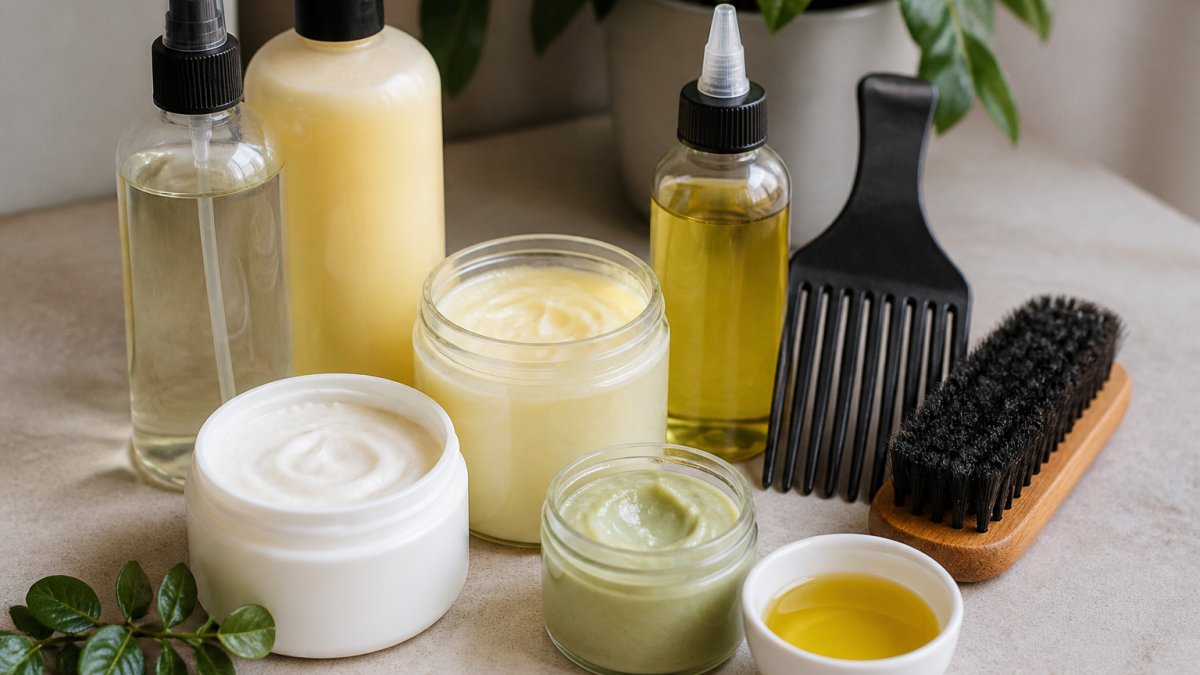
Creams and butters are the sealants in your moisture routine, locking water and leave-in conditioner into the hair shaft to prevent moisture loss day and night. Butters are thicker and richer; creams are lighter and easier to distribute.
As I Am DoubleButter Cream works exceptionally well for low-porosity 4C hair because it penetrates dense, tightly coiled strands without sitting on the surface.
SheaMoisture Coconut & Hibiscus Curl Enhancing Smoothie sits between cream and butter: rich moisture, spreadable enough for daily use. Many people use it as their primary styling product because it hydrates, defines curls, and provides light hold at once.
The mistake most people make is using too much product. For shoulder-length hair, a quarter-size amount is usually sufficient. Apply to the mid-lengths and ends first, then work a small amount into your roots if needed.
Products for Low Porosity 4C Hair
Low-porosity 4C hair has a tightly overlapping cuticle layer, so water and product sit on the surface instead of soaking in.
How to confirm your porosity. Drop a clean shed strand into a glass of room-temperature water. If it floats for several minutes before sinking, you're likely low porosity; if it sinks quickly, high porosity; if it hovers, medium.
Product selection by porosity and density.
| Hair Profile | What to Choose | What to Avoid | Example From This Guide |
|---|---|---|---|
| Low porosity, fine strands | Water-based leave-in, light cream, glycerin-forward | Heavy butters, beeswax, coconut oil as a first layer | Camille Rose Curl Love Moisture Milk |
| Low porosity, dense strands | Spreadable butter-cream applied in small amounts | Thick twisting butters used daily | As I Am DoubleButter Cream |
| Medium porosity, any density | Cream layered over leave-in | Over-clarifying | SheaMoisture Coconut & Hibiscus Curl Enhancing Smoothie |
| High porosity, any density | Richer butter plus a light oil to seal | Water-only mists with no sealant | Camille Rose Almond Jai Twisting Butter |
Why As I Am DoubleButter Cream suits low porosity. Its formula leads with water and uses a butter-cream texture rather than a hard butter, so it spreads through dense coils without the waxy film heavier products leave on a sealed cuticle.
Why Joico Moisture Recovery helps on wash day. A gentle, moisturizing shampoo and conditioner cleans without over-stripping and lets the cuticle relax. Shampoo the scalp and let runoff clean the ends; apply conditioner to mid-lengths and ends for at least 5 minutes.
Techniques that matter more than the product for low porosity.
- Apply to damp, not dripping, hair. Low-porosity hair already resists water; a soaking-wet strand dilutes a light cream into a film. Squeeze out excess water first.
- Use heat. A plastic cap under a warm towel for 10-15 minutes during conditioning opens the cuticle enough for moisture to enter.
- Layer thin to thick. Water-based leave-in first, then a light cream, then a small amount of oil only on the ends. Reversing the order traps product on the surface.
- Clarify monthly, not weekly. A clarifying shampoo once a month removes the film that low-porosity hair accumulates; more often than that strips the little moisture the cuticle holds.
Building Your 4C Hair Moisturizing Routine
A complete 4C moisturizing routine has three components: hydration, sealing, and maintenance. Skipping any one undermines the entire routine.
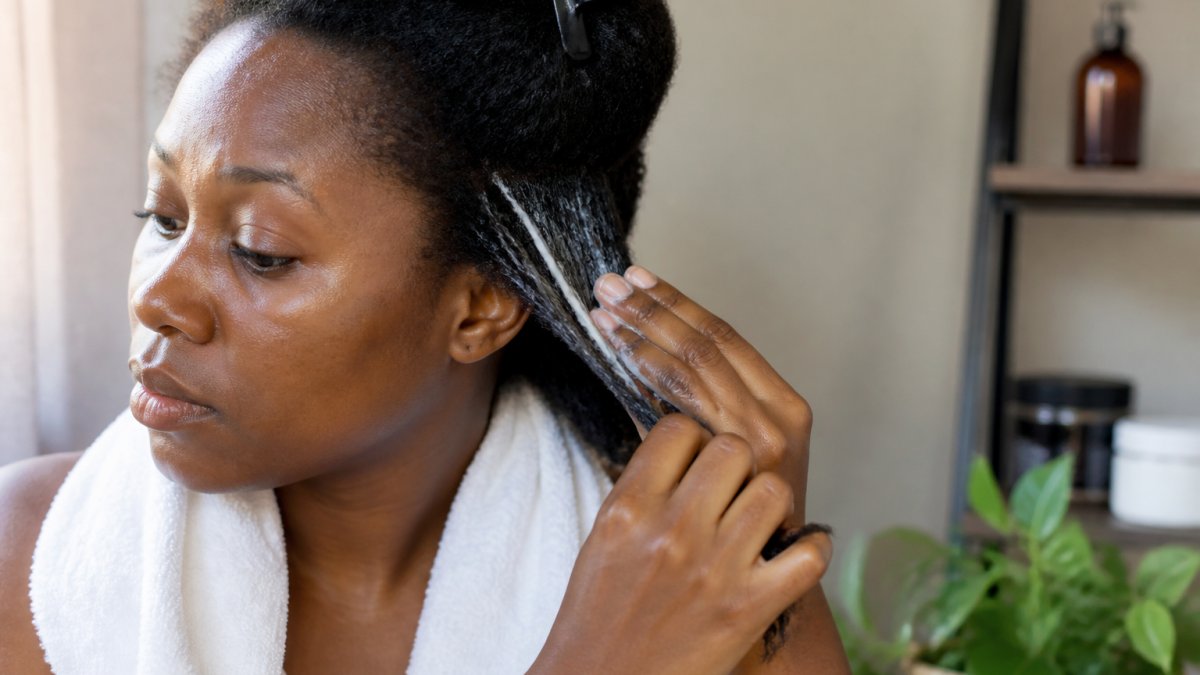
Step 1: Cleanse with a moisturizing shampoo. Use Joico Moisture Recovery Shampoo or a similar water-based moisturizing cleanser. Avoid sulfates, which strip natural oils and moisture.
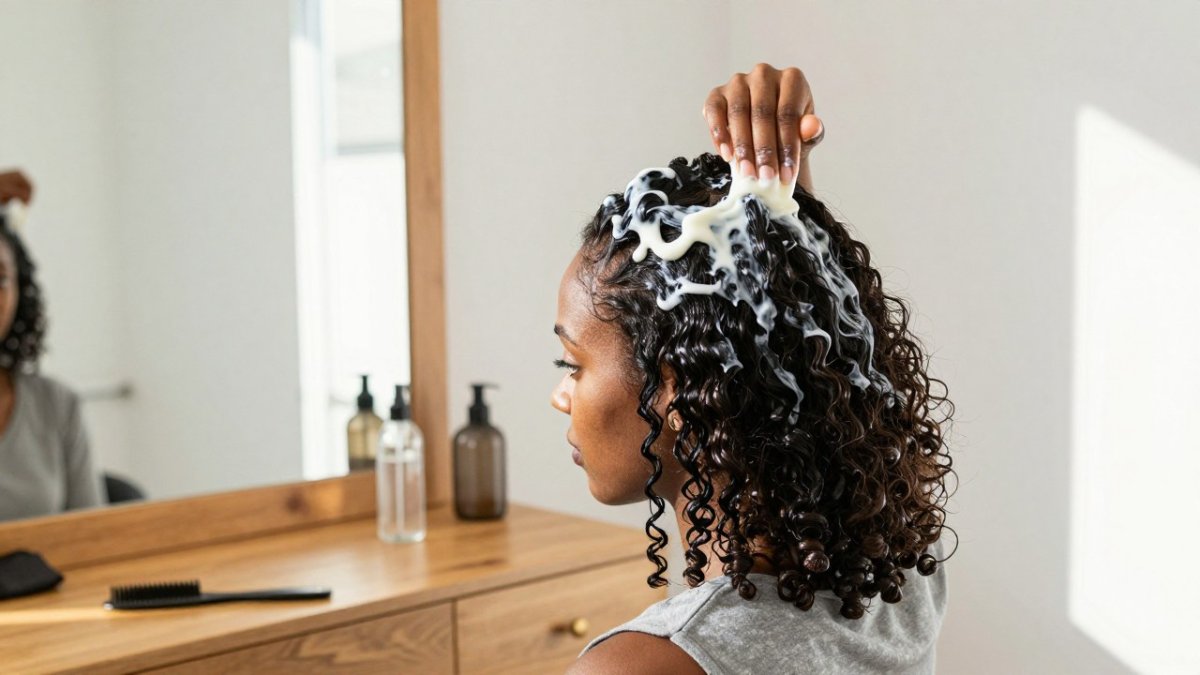
Step 2: Apply leave-in conditioner to soaking-wet hair. Camille Rose Curl Love Moisture Milk or a similar water-based leave-in should go on immediately after rinsing out your shampoo.
Step 4: Air dry or use a diffuser. Let your hair dry naturally or use a diffuser on low heat.
This routine, called the LOC method (Leave-in, Oil, Cream) or LCO method depending on your preferred order, is the gold standard for 4C moisture retention.
How to Keep 4C Hair Moisturized for a Week
Most people wash their 4C hair weekly, so your moisturizing routine needs to last 7 days. That requires strategic layering and protective styling.
On wash day, apply your leave-in conditioner and sealing cream while hair is still wet. Work the products through every section, paying special attention to the ends, which dry out first.
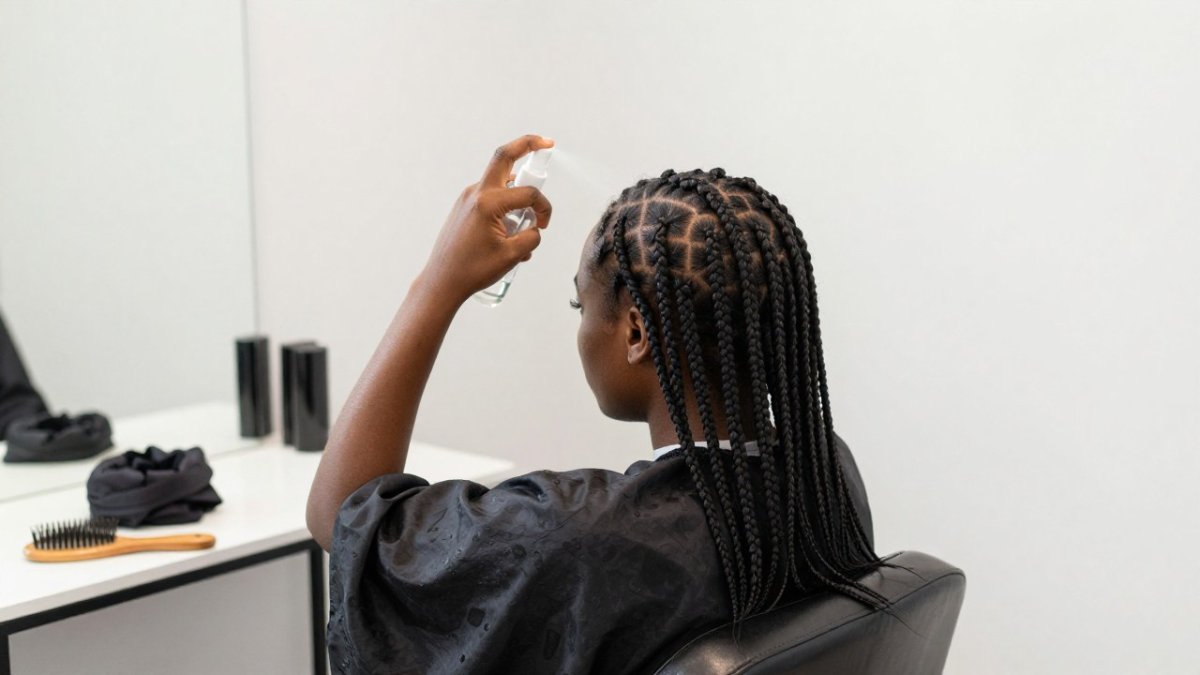
For days 2-3, lightly mist hair with a spray moisturizer or water bottle, then reapply a thin layer of sealing cream or butter to the ends. This refreshes hydration without causing buildup.
For days 4-7, protective styling becomes essential. Braids, twists, or buns keep hair from rubbing against pillows and losing moisture through friction.
Sleep on a silk or satin pillowcase or bonnet. Cotton pillowcases absorb moisture from your hair and create friction that causes frizz and dryness. Silk or satin reduces friction and helps your hair retain moisture overnight.
The difference between hair that stays moisturized for a week and hair that dries out by day 3 is protective styling and nighttime protection. Your daytime routine matters, but how you protect your hair while sleeping and between wash days matters just as much.
How to Tell If Your 4C Hair Is Truly Moisturized
Many people think their 4C hair is moisturized when it's actually just coated with product.
Press a section of your hair between your fingers. If it feels soft and springs back when you release it, you have good moisture.
Moisture also shows up over time. By day 5, truly moisturized 4C hair should still feel soft and defined, detangle easily without breakage, and hold its shape without frizz.
Buildup is the sneaky problem that mimics dryness: hair feels stiff and looks dull, so it seems to need more moisture, but adding product makes it worse.
The goal is balance between hydration and buildup, which takes experimentation. Start with the products above, follow the LOC routine, and watch how your hair responds.
Finding the right moisturizing products for 4C hair is about understanding your hair's specific needs, hydration, sealing, and protection.
Frequently Asked Questions
How often should you moisturize 4C hair?
4C hair typically benefits from moisturizing every 2-3 days or as needed based on how quickly your hair dries. Some people with very dry 4C hair moisturize daily, especially during winter or in low-humidity climates. The key is observing your hair's response, if it feels dry or brittle between moisturizing sessions, increase frequency. Using the LOC or LCO method (layering leave-in conditioner, oil, and cream) helps extend moisture retention between applications.
What is the best way to seal moisture into 4C hair?
The LOC method is highly effective for sealing moisture: apply a water-based leave-in conditioner first, then layer a lightweight hair oil, and finish with a cream or butter to seal. The oil and cream create a barrier that prevents water from evaporating. For 4C hair, oils like coconut, jojoba, or argan work well, followed by a moisturizing cream or butter. Apply these products to damp hair for maximum absorption and seal the moisture before your hair fully dries.
How do I know if my 4C hair is moisturized or experiencing buildup?
Moisturized 4C hair feels soft, bouncy, and flexible when you stretch a curl, it should bend without breaking. Buildup, by contrast, makes hair feel stiff, dull, or waxy, and curls may not spring back. Moisturized hair also detangles more easily. If your hair feels weighed down even after a fresh wash, you may have product buildup rather than hydration. Clarify with a clarifying shampoo every 4-6 weeks to remove buildup and reset your routine.
Are water-based moisturizers better for 4C hair than oil-based products?
Water-based products like leave-in conditioners are essential because 4C hair needs hydration first, water is the primary moisturizer. Oil-based products alone won't hydrate; they seal moisture in. The best approach combines both: use a water-based leave-in conditioner to hydrate, then layer oils and creams to lock that moisture in. This layering method (LOC or LCO) is more effective than using either type alone.