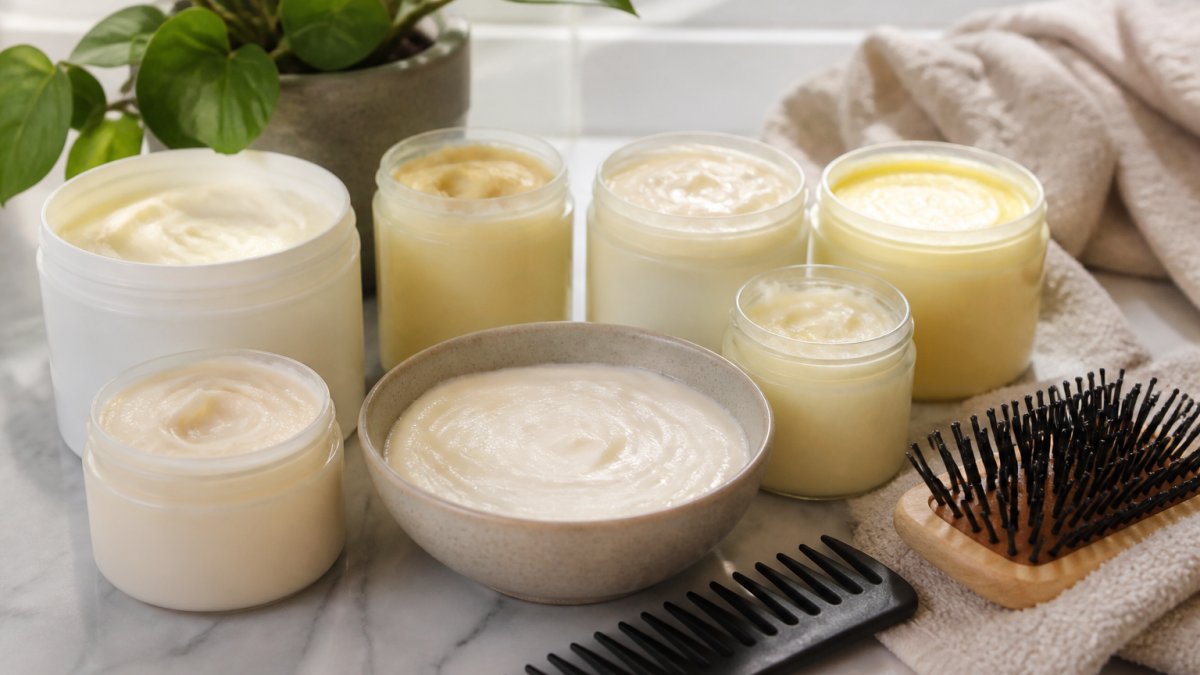
 listicle
Best Deep Conditioners for 4C Hair: Top 10 Picks for 2026
Table of Contents
- Why 4C Hair Needs a Different Kind of Deep Conditioner
- How to Moisturize 4C Hair: The Science of Keeping Coils Hydrated
- Top 10 Deep Conditioners for 4C Hair: Reviews and Pros/Cons
- 1. Pattern Beauty Breakage Barrier Hair Mask - Best for Breakage Prevention
- 2. Camille Rose Algae Renew Deep Conditioning Mask - Best for Elasticity
- 3. TGIN Honey Miracle Hair Mask - Best for Dry, Thirsty Coils
- 4. Miche Beauty Indulge Deep Conditioner - Best for Protein-Moisture Balance
- 5. Adwoa Beauty Baomint Deep Conditioning Treatment - Best for Scalp Health
- 6. Cécred Moisturizing Deep Conditioner - Best for Damaged Hair Repair
- 7. Aussie 3 Minute Miracle Moist - Best Budget Pick
- 8. Mixed Chicks Detangling Deep Conditioner - Best for Detangling
- 9. SheaMoisture African Black Soap Purification Masque - Best for Buildup and Scalp Issues
- 10. Hair Naturally Beauty Supply Curated Selection - Best for 4A, 4B, and 4C Hair Types
- DIY Deep Conditioner Recipes for 4C Hair That Actually Work
- Building a Deep Conditioning Routine for 4C Hair
- High Porosity vs. Low Porosity: Matching Your Deep Conditioner to Your Hair
- How to Pick the Right Deep Conditioner for Your 4C Hair
- Frequently Asked Questions
Last Updated: October 4, 2026
Why 4C Hair Needs a Different Kind of Deep Conditioner
The tightest coil pattern on the hair spectrum loses moisture faster than any other texture, which is why the best deep conditioners for 4C hair are formulated differently from standard rinse-out products.
Here's the structural reason. The tighter the coil, the harder it is for natural oils from the scalp to travel down the hair shaft. That leaves 4C strands running dry by default.
Deep conditioning closes that gap.
That distinction matters more for coily texture than for any other type.
How to Moisturize 4C Hair: The Science of Keeping Coils Hydrated
Moisturizing 4C hair is a two-step job: get water into the strand, then seal it there before it evaporates. Most routines fail at step two.
Water is the only true moisturizer. Oils and butters do not add hydration; they lock it in. That is why the classic routine still works, and why skipping the water step leaves coils greasy but still dry. The process looks like this:
- Cleanse or co-wash to remove buildup without stripping the scalp
- Apply a water-based leave-in treatment to damp hair
- Layer a penetrating oil to slow moisture loss
- Seal with a butter or cream to close the cuticle
- Protect the ends with protective styling
Humectants like glycerin and honey pull water from the air into the hair. Emollients like shea butter and mango butter soften the strand and improve elasticity. Protein, used sparingly, fills gaps in the cuticle and reduces breakage.
Shrinkage is not a sign of dryness. It signals healthy elasticity. Breakage, dullness, and rough-feeling ends are the real warning signs.
Top 10 Deep Conditioners for 4C Hair: Reviews and Pros/Cons
These ten picks cover every budget, porosity level, and hair concern we hear about most often. Each one earns its spot for a specific reason, not a generic "great for natural hair" claim.
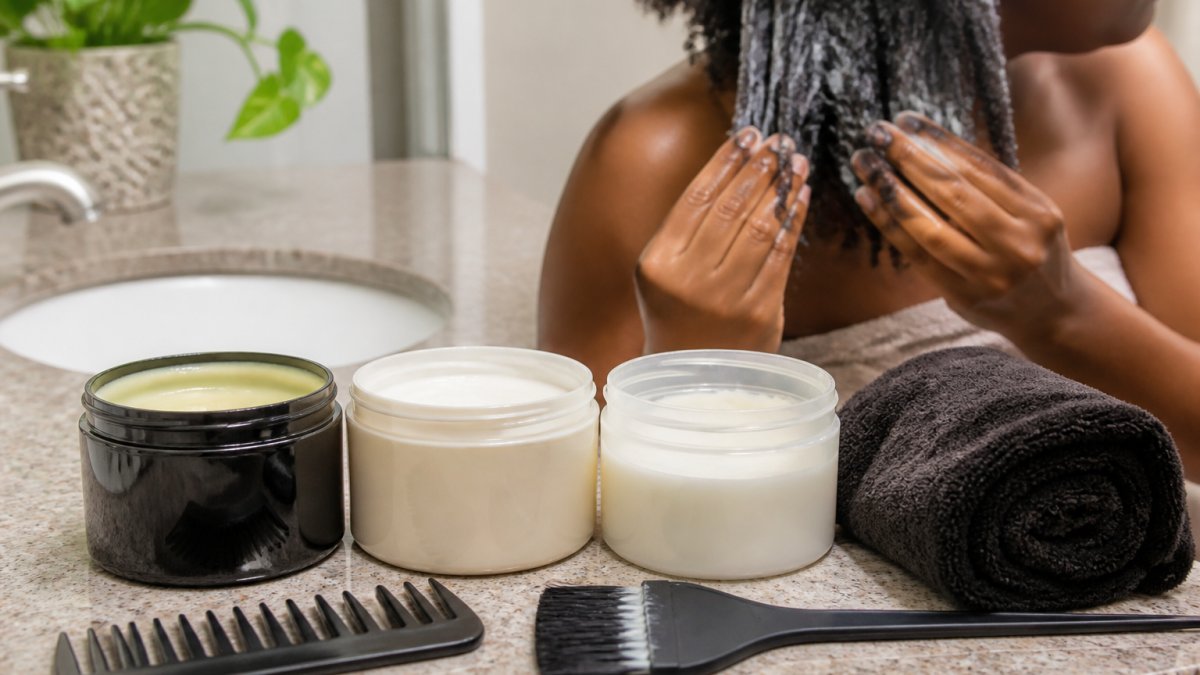
1. Pattern Beauty Breakage Barrier Hair Mask - Best for Breakage Prevention
Breakage is the number one complaint we hear from 4C customers, and this mask attacks it directly. Rice water ferment strengthens the strand, while the rich, creamy texture gives enough slip to detangle without snapping.
Pros: Excellent slip, deeply moisturizing for tight coils, free from parabens and phthalates Cons: Higher price point than drugstore options
Best for: 4C hair that snaps during detangling or styling.
2. Camille Rose Algae Renew Deep Conditioning Mask - Best for Elasticity
Blue-green algae brings vitamins A, C, and E to the strand, and the cocoa and mango butter base makes this one of the thickest masks on the list. It coats coils completely.
Pros: Very thick consistency, pleasant natural scent, supports scalp health Cons: Jar packaging gets messy in the shower
Best for: Dry 4C hair that has lost its bounce.
3. TGIN Honey Miracle Hair Mask - Best for Dry, Thirsty Coils
Raw honey acts as a humectant that draws moisture into the hair, and olive oil seals it. One use delivers noticeable softness, which is why this stays a staple in so many routines.
Pros: Significant softness after one use, widely available, sulfate-free Cons: Some users report consistency variations between batches
Best for: Parched hair that feels rough no matter what you apply.
4. Miche Beauty Indulge Deep Conditioner - Best for Protein-Moisture Balance
Marshmallow root gives this formula serious detangling power, and the balanced protein-moisture profile suits all porosity levels. A solid choice if you are unsure where your hair falls on the porosity scale.
Pros: Excellent detangling, lightweight feel despite deep conditioning Cons: Only available through specific online channels
Best for: 4C hair that needs strength and moisture in equal measure.
5. Adwoa Beauty Baomint Deep Conditioning Treatment - Best for Scalp Health
Peppermint and spearmint create a cooling sensation that soothes itchy, irritated scalps, while baobab oil hydrates the shaft. The sensory experience alone makes wash day feel less like a chore.
Pros: Refreshing, clean ingredients, vegan and cruelty-free Cons: Premium price point
Best for: 4C hair paired with a dry, itchy, or flaky scalp.
6. Cécred Moisturizing Deep Conditioner - Best for Damaged Hair Repair
Fermented rice and rose protein target damaged, chemically treated strands, while shea butter and squalane hold moisture in high-porosity hair. The ingredient list is the most advanced here.
Pros: High-end ingredient profile, noticeable texture improvement Cons: Most expensive option on this list
Best for: Color-treated, heat-damaged, or transitioning 4C hair.
7. Aussie 3 Minute Miracle Moist - Best Budget Pick
Three minutes is all this formula needs. Avocado and jojoba oil deliver a fast moisture hit, and the slip makes detangling quick work.
Pros: Extremely affordable, easy to find in stores Cons: Contains silicones that may cause buildup with frequent use
Best for: Busy schedules and tight budgets.
8. Mixed Chicks Detangling Deep Conditioner - Best for Detangling
Formulated specifically to loosen tangles in tight coils, this one reduces breakage during the detangling stage, which is where most damage happens.
Pros: Excellent tangle management, good value for the size Cons: May not be moisturizing enough for extremely dry hair
Best for: 4C hair that mats easily.
9. SheaMoisture African Black Soap Purification Masque - Best for Buildup and Scalp Issues
This dual-action mask clarifies the scalp with African black soap, tea tree oil, and willow bark extract while shea butter conditions the strand. It resets hair that feels coated.
Pros: Handles scalp care and conditioning at once, widely available Cons: The black soap scent is polarizing
Best for: Flaky scalps and product buildup.
10. Hair Naturally Beauty Supply Curated Selection - Best for 4A, 4B, and 4C Hair Types
Not every 4C head is the same, and many of our customers have a mix of textures across their crown. Our curated selection lets you shop by hair type instead of guessing, with products chosen specifically for coily, curly, and natural textures.
Pros: Black-owned business, specialized focus on 4A, 4B, and 4C hair types, fast shipping anywhere in the US Cons: Online-only shopping experience
Best for: Anyone who wants a curated starting point instead of trial and error.
DIY Deep Conditioner Recipes for 4C Hair That Actually Work
A homemade mask works when it respects the same rules as a store-bought one: water first, then emollients, then a sealing layer.
The basic moisture mask
- 1/2 cup plain yogurt or full-fat coconut milk
- 1 tablespoon raw honey
- 1 tablespoon olive or avocado oil
Mix, apply to damp, freshly cleansed hair, cover with a plastic cap, and leave for 20 to 30 minutes.
The protein boost
- 1 egg
- 2 tablespoons plain yogurt
- 1 teaspoon honey
Use this one no more than once a month. Too much protein makes coils stiff and prone to snapping.
Building a Deep Conditioning Routine for 4C Hair
A deep conditioning routine for 4C hair works best on a predictable schedule: once a week for most people, every two weeks for hair in good condition, and after every wash for damaged or transitioning hair.
The steps matter as much as the frequency:
- Shampoo or co-wash first, then squeeze out excess water
- Section hair into four parts and apply mask from mid-shaft to ends
- Detangle gently with a wide-tooth comb while the mask is in
- Cover with a plastic cap and apply heat for 15 to 20 minutes
- Rinse with cool water to close the cuticle
- Follow with a leave-in treatment and seal with oil or butter
Heat opens the cuticle and helps the formula penetrate. A hooded dryer, a thermal cap, or even a warm towel works. Steaming is the gentlest option for fragile hair.
High Porosity vs. Low Porosity: Matching Your Deep Conditioner to Your Hair
Porosity determines how your hair absorbs and holds moisture, and it should drive which mask you buy. High porosity hair has a raised cuticle and loses moisture fast.
| Porosity | How It Behaves | What to Look For | Avoid |
|---|---|---|---|
| High porosity | Absorbs fast, dries fast, prone to frizz | Shea butter, squalane, protein, sealing oils | Watery formulas that evaporate |
| Low porosity | Slow to absorb, prone to buildup | Humectants, lightweight oils, steam or heat | Heavy butters, thick creams |
| Normal porosity | Holds moisture with little effort | Balanced protein-moisture masks | Over-treatment in either direction |
If you are not sure which camp you fall in, drop a clean strand of shed hair into a glass of water. If it sinks quickly, you are high porosity. If it floats for several minutes, you are low porosity.
How to Pick the Right Deep Conditioner for Your 4C Hair
Picking the right deep conditioner comes down to three questions: what problem are you solving, what is your porosity, and what is your budget per use?
Cost-per-use matters more than sticker price. A large jar that lasts three months can cost less per treatment than a cheap bottle you replace every three weeks.
Seasonal shifts also change what your hair needs. Cold, dry air pulls moisture out of coils, so winter calls for heavier butters and more frequent sealing.
Frequently Asked Questions
How often should you deep condition 4C hair?
Most 4C hair types benefit from deep conditioning once a week, especially if hair is dry, brittle, or prone to breakage. If your hair feels balanced, you can stretch to every two weeks. High-porosity hair may need weekly sessions to maintain moisture retention, while low-porosity hair can often go longer between treatments. Pay attention to how your coils feel after washing. If they feel straw-like or snap easily, increase frequency.
What is the best deep conditioner for low-porosity 4C hair?
Low-porosity 4C hair needs lightweight, humectant-rich formulas that absorb without sitting on top of the cuticle. Look for products with glycerin, aloe, or honey near the top of the ingredient list. Miche Beauty Indulge Deep Conditioner is a strong option because it balances moisture and protein without heavy butters that cause buildup. Avoid thick, oil-heavy masks that can leave residue. Applying heat during conditioning helps low-porosity hair absorb more product.
Can I make a DIY deep conditioner for 4C hair at home?
Yes, simple DIY masks work well for 4C hair. A basic recipe mixes ripe avocado, olive oil, and raw honey. Another option combines full-fat coconut milk, aloe vera gel, and a few drops of peppermint oil. Apply to clean, damp hair, cover with a plastic cap, and leave on for 20 to 30 minutes. DIY masks lack preservatives, so use them fresh and refrigerate leftovers for no more than three days.
How do I know if my 4C hair needs protein or moisture?
Do a strand test. Wet a single shed hair and stretch it gently. If it snaps immediately with no stretch, you need moisture. If it stretches far and feels mushy or gummy, you need protein. If it stretches slightly and returns to its original shape, your protein-moisture balance is healthy. Alternate between moisture-focused and protein-focused deep conditioners based on what the test shows.
What ingredients should I look for in the best deep conditioners for 4C hair?
Prioritize humectants like glycerin and honey to draw moisture into the hair shaft. Emollients such as shea butter, mango butter, and jojoba oil soften and seal the cuticle. For protein, look for hydrolyzed rice protein, keratin, or silk amino acids. Avoid heavy silicones near the top of the list if you co-wash frequently, since they can cause buildup. A pH between 4.5 and 5.5 helps the cuticle lie flat and retain moisture.