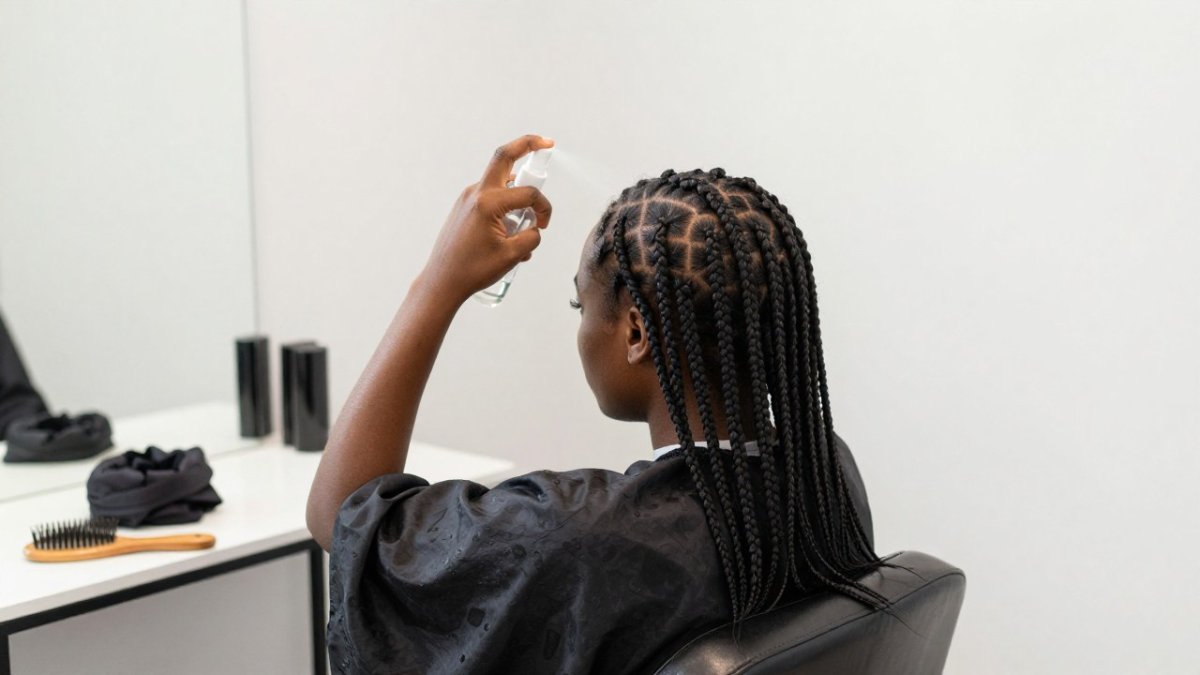
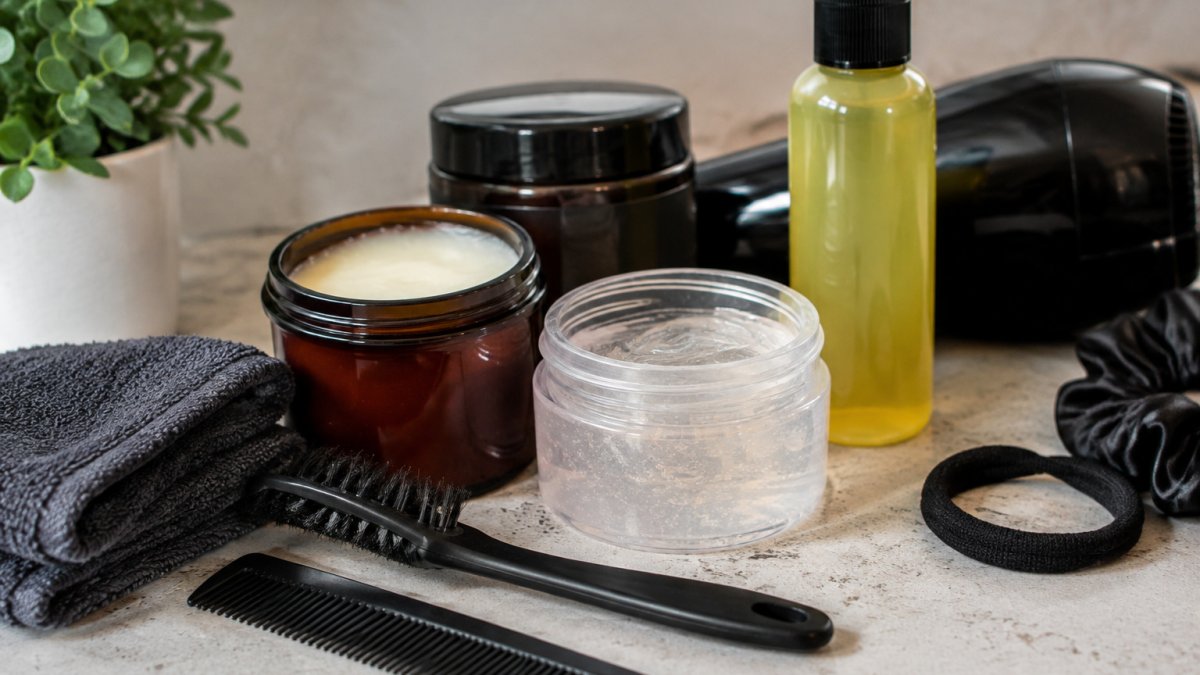
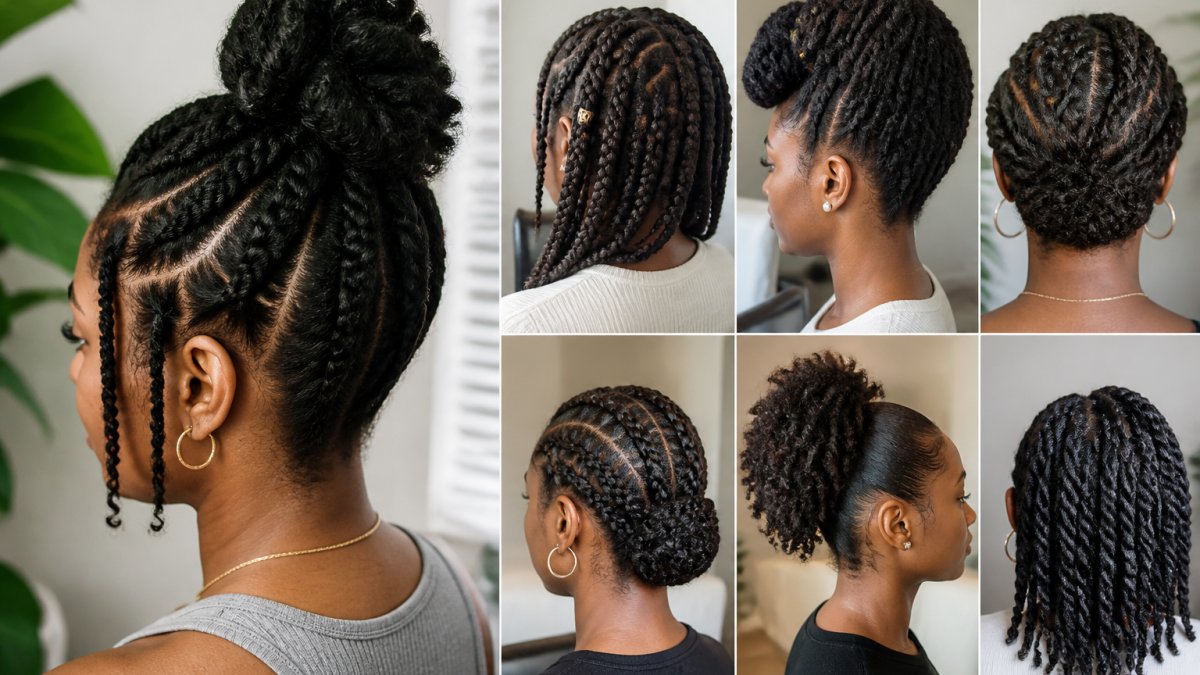
 listicle
7 Best Protective Styles for 4C Hair in 2026
Last Updated: October 28, 2026
Quick Summary
The best protective styles for 4c hair include knotless braids, box braids, two-strand twists, flat twists, Bantu knots, faux locs, crochet styles, and buns, all chosen for low tension and moisture retention. Most of these styles can be worn for 1 to 8 weeks depending on the type.
- Knotless braids and box braids both last 4-6 weeks with proper care.
- Knotless braids cost $150-$300+ at a salon, while box braids run $120-$250+.
- Two-strand twists, flat twists, and Bantu knots each last 1-4 weeks.
- Crochet styles offer quick installation and can be worn 4-8 weeks.
- Remove any style that causes throbbing roots or white bumps along the hairline.
Table of Contents
- Why 4C Hair Needs Protective Styles That Actually Fit Its Texture
- Knotless Braids and Box Braids: The Braided Styles That Hold Up
- Twists, Flat Twists, and Bantu Knots for Coily Hair
- Easy Protective Hairstyles for 4C Hair You Can Do at Home
- Low Tension Protective Styles for 4C Hair That Spare Your Edges
- How to Moisturize 4C Hair in Braids Without Causing Buildup
- How Long to Keep Protective Styles In, and How to Take Them Down
- Stock Your Style Kit at Hair Naturally Beauty Supply
- Frequently Asked Questions
Why 4C Hair Needs Protective Styles That Actually Fit Its Texture
Protective styling is one approach to styling 4C hair. When choosing a style, consider tension at the roots, moisture underneath, and a realistic takedown schedule.
At Hair Naturally Beauty Supply, we curate products for 4A, 4B, and 4C hair.
Below, we discuss styles for coily hair and ways to prepare before installation.
| Style | Tension Level | Best For | Typical Wear Time |
|---|---|---|---|
| Knotless braids | Low | Length retention, everyday wear | 4-6 weeks |
| Box braids | Moderate | Classic look, versatility | 4-6 weeks |
| Two-strand twists | Low | Natural hair, no extensions | 2-4 weeks |
| Flat twists | Low | Scalp access, easy refresh | 1-2 weeks |
| Bantu knots | Low | Heat-free curl definition | 1-2 weeks |
| Faux locs | Moderate | Loc look without commitment | 4-6 weeks |
| Crochet styles | Low | Quick installation | 4-8 weeks |
| Buns and updos | Low | Low-maintenance daily wear | Daily, refreshed |
Knotless Braids and Box Braids: The Braided Styles That Hold Up
Braided styles remain the workhorse of 4C protective styling, and the knotless versus traditional debate is worth settling with more than a definition. Traditional box braids and knotless braids are two braided style options.
But the choice between them is not just about tension. It is about your schedule, your budget, and how you plan to wear the style. Here is a side-by-side comparison to help you decide.
| Factor | Knotless Braids | Traditional Box Braids |
|---|---|---|
| Installation time | Longer (often 4-7 hours for mid-back length) | Shorter (often 3-5 hours for mid-back length) |
| Tension at root | Low to moderate; no knot | Moderate; knot creates a pressure point |
| Upkeep | Light scalp moisture, gentle cleansing | Same, plus watch knot areas for buildup |
| Longevity | 4-6 weeks with proper care | 4-6 weeks with proper care |
| Best for | Delicate edges, first-time braid wearers, sensitive scalp | Very active wearers who need a firm hold, those with resilient hairlines |
| Cost range (salon) | $150-$300+ depending on length and location | $120-$250+ depending on length and location |
| DIY difficulty | Moderate to high (feed-in technique takes practice) | Moderate (knotting is easier to learn) |
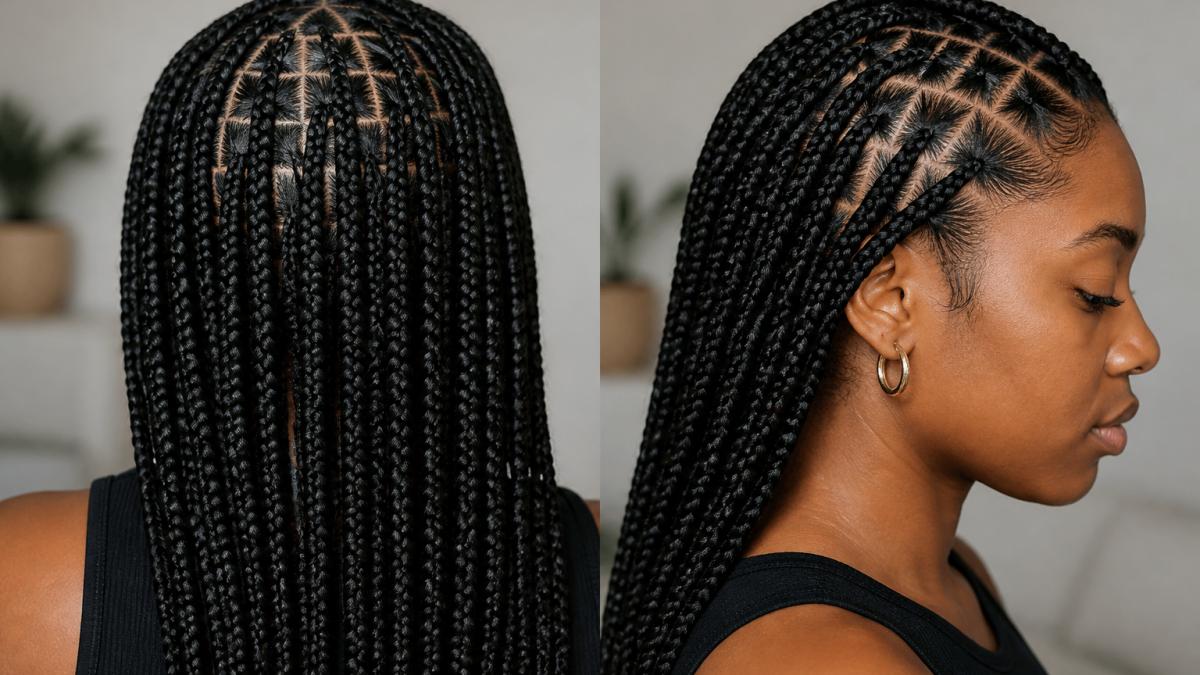
Knotless vs. Traditional Box Braids: Which Should You Choose?
Whatever you choose, tell your braider one thing: not too tight. A braid that hurts on day one will still hurt on day ten. If you feel throbbing at the roots or see white bumps along the hairline, the tension is too high and the style should be adjusted or removed.
Twists, Flat Twists, and Bantu Knots for Coily Hair
Two-strand twists are one protective style option for 4C hair.
Easy Protective Hairstyles for 4C Hair You Can Do at Home
Watch out: twisting on hair that is still soaking wet can cause the style to shrink and mat at the roots. Stretch first, then twist.
Low Tension Protective Styles for 4C Hair That Spare Your Edges
A practical test: if you can see the skin at your temples pulling tight, the style is too much. Ask for larger parts or fewer braids. Your edges do not grow back quickly once they thin.
How to Spot Tension Damage Before It Becomes Permanent
Traction alopecia does not happen overnight. Watch for these signs and act early:
- Pain or throbbing at the roots that lasts more than a day after installation.
- White bumps or small pimples along the hairline, these are signs of follicle inflammation.
- Redness or tenderness at the temples or nape.
- Shedding more than usual when you touch the hairline.
- Thinning patches that are visible when you pull the hair back.
If you notice any of these, do not wait for the style to “settle.” Remove it or have your stylist loosen the tight sections. A style that hurts is not protecting your hair, it is damaging it.
How to Ask Your Stylist for a Low-Tension Install
For DIY styles, the same rules apply: part larger sections, avoid tight elastics, and never twist or braid so tightly that your scalp feels tender. Low tension is not about looking loose, it is about keeping the follicle healthy so hair can grow.
How to Moisturize 4C Hair in Braids Without Causing Buildup
A lightweight argan oil is ideal for this step. Our Sunflower Difeel argan oil seals in moisture without weighing down the braids or leaving residue on the scalp.
How Long to Keep Protective Styles In, and How to Take Them Down
Watch out: taking braids down on dry hair is the fastest way to lose length. Spray each section with water and conditioner before you unravel it.
Stock Your Style Kit at Hair Naturally Beauty Supply
Hair Naturally Beauty Supply is a Black-owned business with a particular focus on 4A, 4B, and 4C hair, and fast shipping anywhere in the US.
Our selection covers braiding hair, wigs, styling tools, and specialized hair care, curated for coily and curly textures.
Get started with Hair Naturally Beauty Supply.
Frequently Asked Questions
What are the best protective styles for 4C hair?
Options for 4C hair include knotless braids, two-strand twists, flat twists, bantu knots, crochet styles, faux locs, and buns. Pick based on your schedule and skill level.
Are braids or twists better for 4C hair?
The better pick depends on your routine. Braids and twists are two style options to consider.
How long should you keep a protective style in 4C hair?
Most protective styles should come out after four to eight weeks. Braids and twists tend to hold up for six to eight weeks, while buns and bantu knots are short-term styles you redo every few days. Past eight weeks, new growth builds up at the roots, shedding hair has nowhere to go, and the style starts pulling. Take it down sooner if you feel itching, tenderness, or see buildup at the scalp. Always detangle, cleanse, and deep condition between installs before restyling.
Can protective styles damage 4C hair?
Yes, when they are installed too tight or left in too long. Tension at the hairline is the most common cause of traction damage, which is why low tension protective styles for 4C hair matter. A stylist should be able to part and braid without you wincing, and you should never take painkillers to get through an install. Other risks include product buildup under extensions and matting from skipped detangling. Moisturize the scalp, wash when needed, and take styles down on schedule to keep hair healthy.